
 en
en fr
fr es
es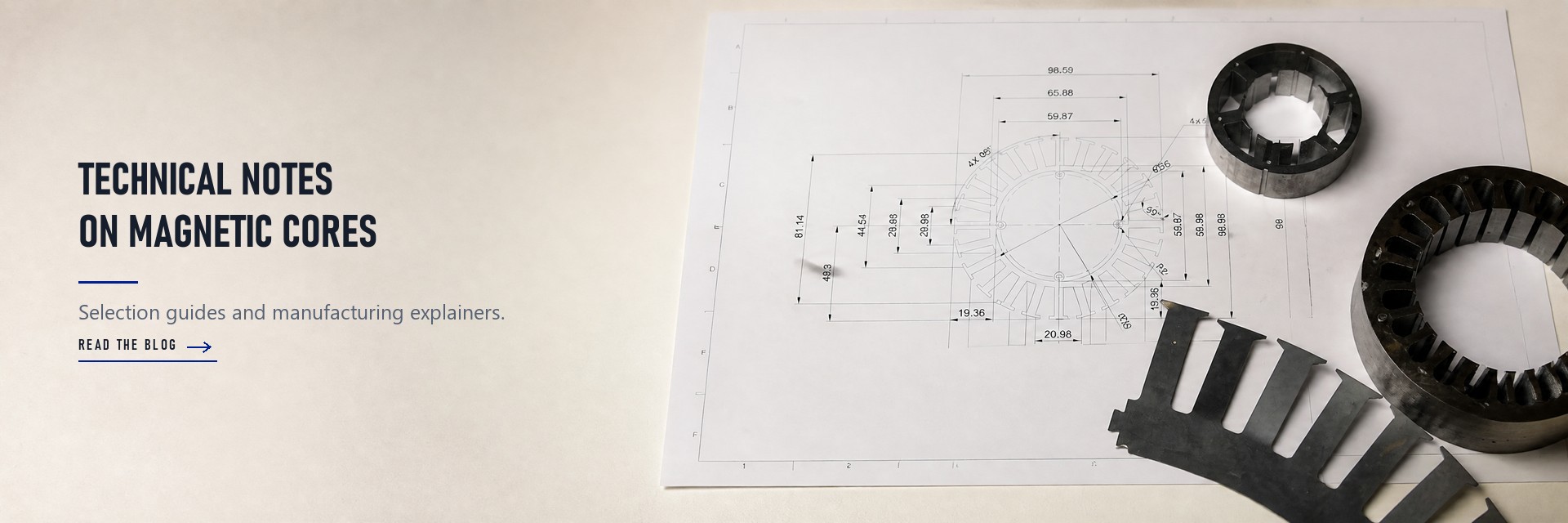
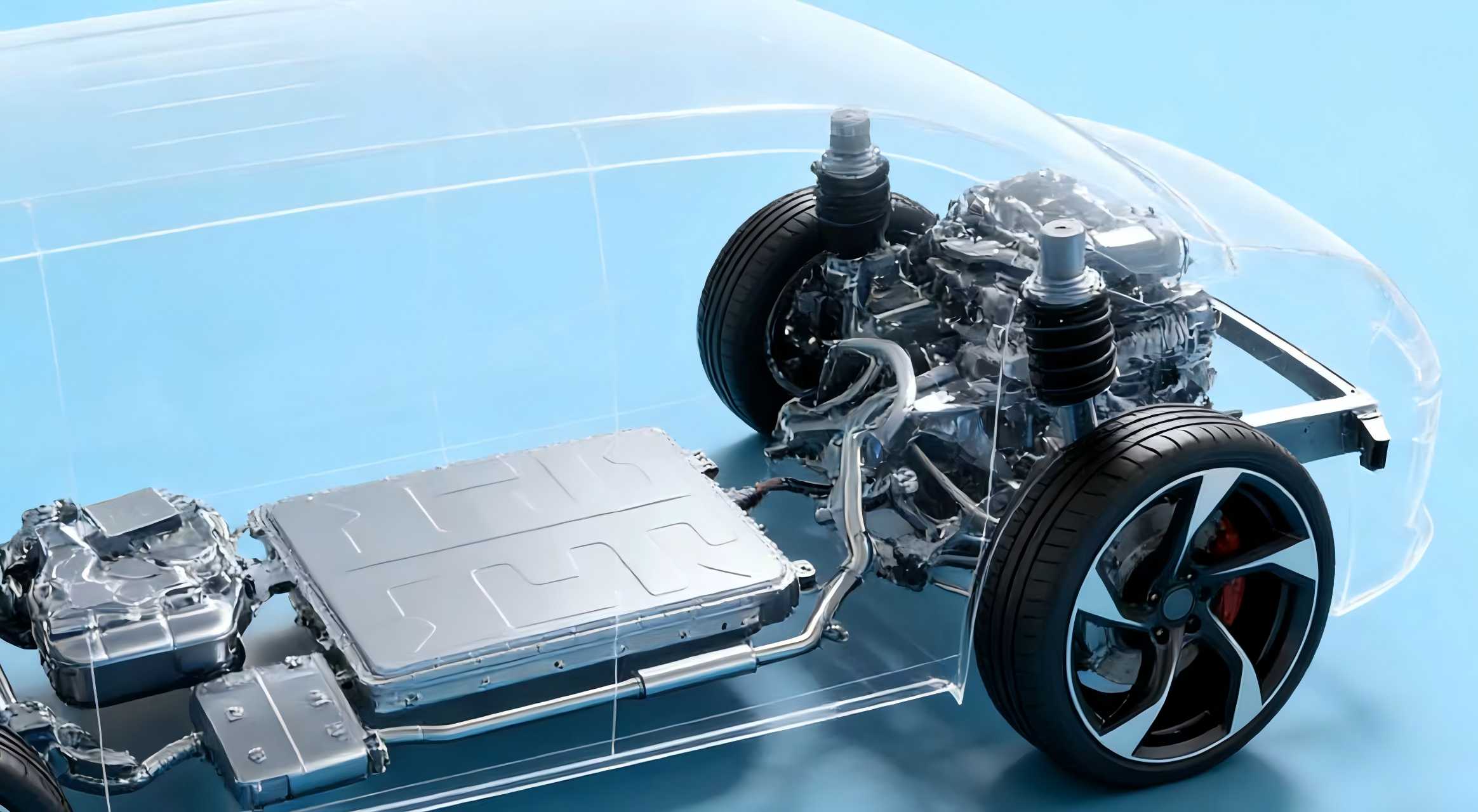
Scenario 1: New Energy Vehicle Main Drive
For high-performance main drive units (800V) in new energy passenger vehicles, 0.2mm non-oriented silicon steel laminations—whether yoke-type or segmented—are recommended. This type of axial core offers advantages such as high saturation torque, low iron losses (due to the thin laminations), compatibility with oil cooling, and cost-effectiveness for mass production.
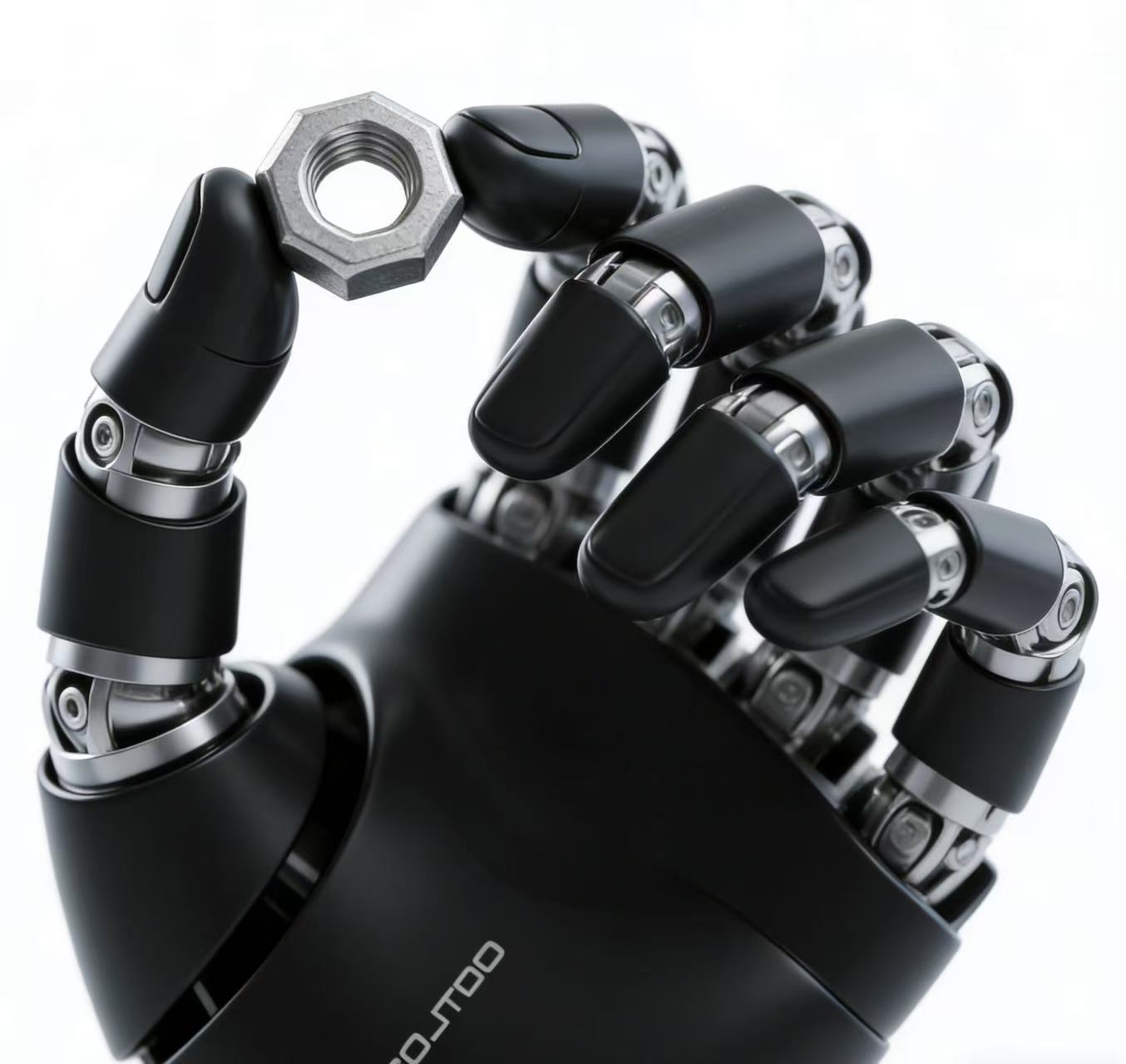
Scenario 2: Humanoid Robot Joints
For the high-performance full-body joints of humanoid robots, axial cores made of ultra-thin silicon steel are recommended.
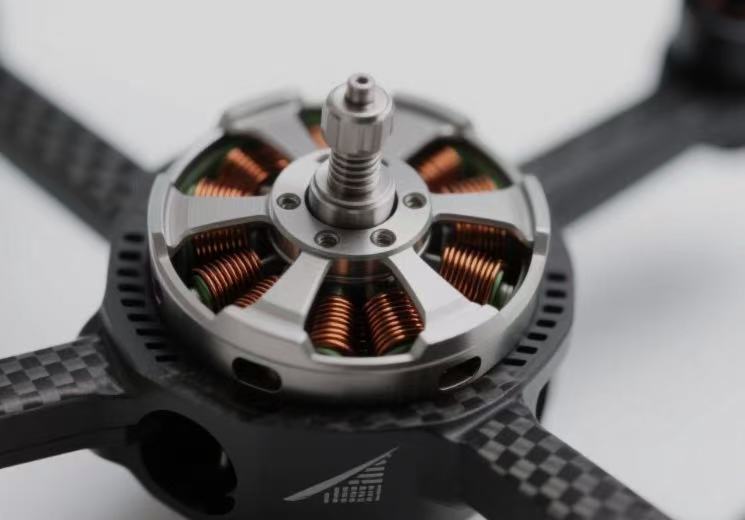
Scenario 3: eVTOL/Low-altitude Aircraft
Operating characteristics: Fundamental frequency of 500–1500 Hz, power density >8 kW/kg, extreme sensitivity to weight, low production volume (hundreds to thousands of units), and high cost tolerance. Therefore, an axial core made of 0.1 mm thin silicon steel is recommended, as it offers a favorable thrust-to-weight ratio and the market for ultra-thin silicon steel is relatively mature.
Scenario 4: Industrial Servo / High-Speed Spindle
For general-purpose servo applications (medium speed), axial cores made of 0.2–0.35 mm silicon steel laminations are recommended, as this technology is mature and offers a favorable cost-performance ratio. For high-speed spindle applications (>20,000 rpm), we recommend using amorphous/nanocrystalline axial cores, as controlling iron loss is critical in such scenarios. For applications involving frequent servo start-stop operations, an axial core made of 0.2 mm thin silicon steel is recommended due to its advantages of low inertia and low iron loss.
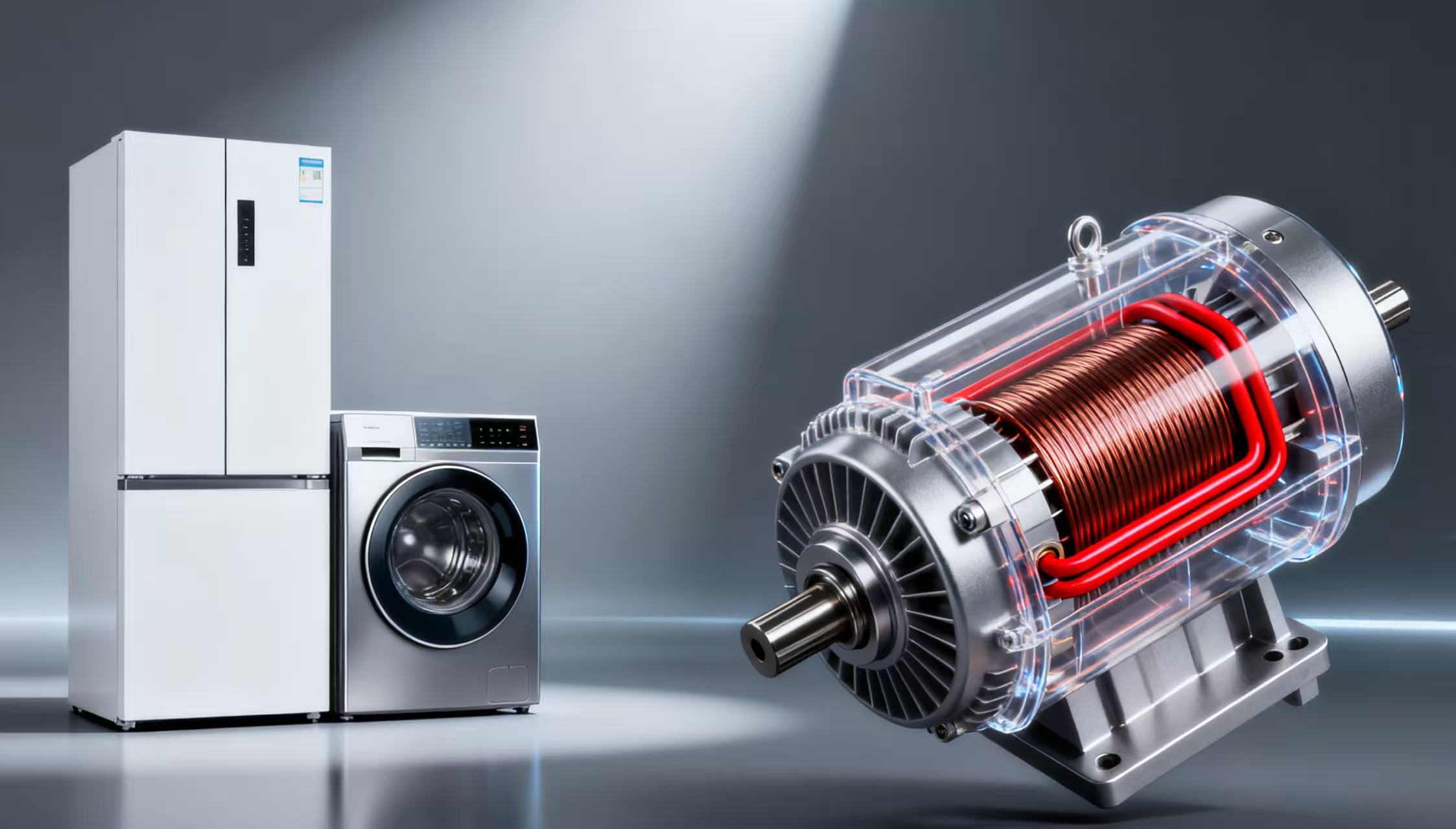
Scenario 5: White Goods / Air Conditioner Compressors
Operating characteristics: fundamental frequency of 50–200 Hz, low torque density, extremely high production volume (100,000 to over a million units), and extreme cost sensitivity. Therefore, an axial iron core made of 0.35mm non-oriented silicon steel—characterized by low frequency, high volume, and cost-efficiency—in either wound or stamped form is sufficient. However, the high-speed motors found in some high-end vacuum cleaners and hair dryers can also utilize axial cores made from thin (0.2 mm) silicon steel laminations, offering certain advantages during high-frequency operation.

Address : Room 201, West Building A, Dawei Logistics, Xihai Industrial Zone, Lecong Town, Shunde District, Foshan City
You may unsubscribe at any moment. For that purpose, please find our contact info in the legal notice.


 IPv6 network supported
We will contact you as soon as possible
Hi! Click one of our members below to chat on