
 en
en fr
fr es
es
1. Extremely short axial length, saving chassis space.
Radial motors are cylindrical in shape, typically increasing power output by extending their length; axial-flux motors resemble "pancakes," allowing for a significantly shorter axial dimension for the same power output. Industry comparisons show that axial-flux motors often achieve an axial length of only about 30%–50% that of radial motors with equivalent power, with some high-performance prototypes being even thinner.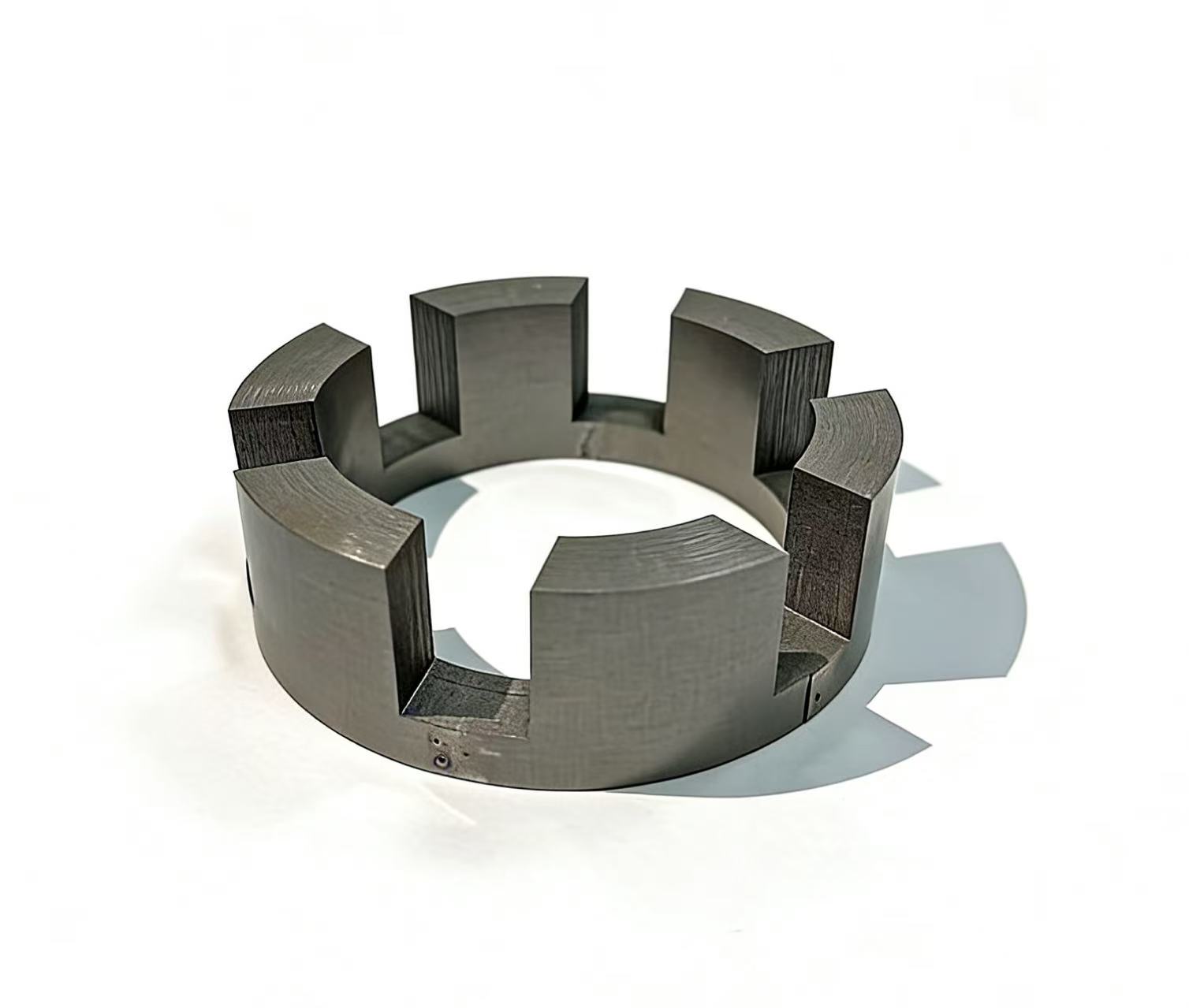
2. Large effective disc area and long lever arm; delivers high torque at low speeds.
The axial torque of an axial-flux core depends heavily on the rotor's outer diameter (roughly based on the lever-arm effect of the disk radius); consequently, large-diameter axial-flux designs offer a distinct advantage in torque density at low speeds. For a given volume or outer diameter, an axial-flux core can deliver higher torque than a radial-flux core.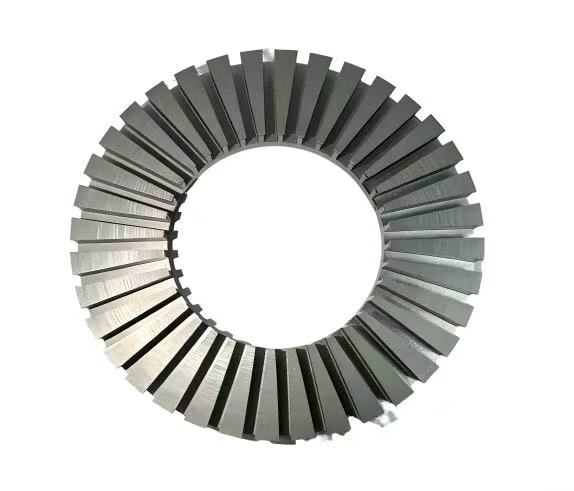
3. Axial-flux cores feature short magnetic paths, relatively low iron losses, and a broad high-efficiency operating range.
An axial core follows a straight path across the planar air gap, resulting in a shorter flux path compared to the radial "tooth-yoke-tooth" configuration. When combined with thin silicon steel,concentrated windings, and oil cooling, some designs achieve peak efficiencies exceeding 96%–97% and offer a broader high-efficiency range at low to medium speeds. For electric vehicles, this translates to greater energy savings during city driving, frequent stop-and-go traffic, and regenerative braking.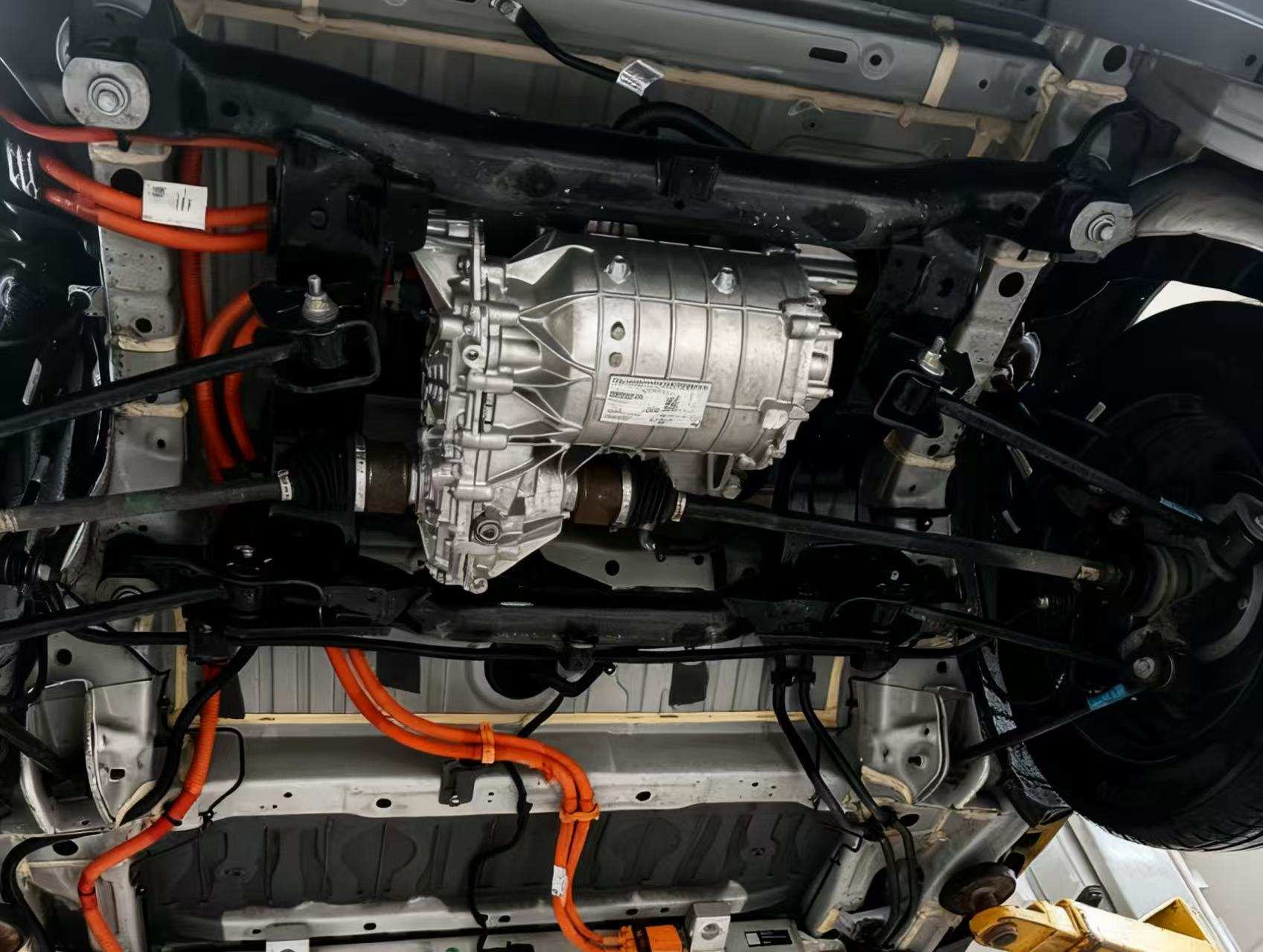
4. The power output of the axial core can be increased through modular stacking.
To increase the power of a radial-flux core, one typically lengthens the core or increases its diameter, but a high length-to-diameter ratio makes the layout difficult; in contrast, an axial-flux core is inherently a flat disc, making coaxial stacking a natural fit.

Address : Room 201, West Building A, Dawei Logistics, Xihai Industrial Zone, Lecong Town, Shunde District, Foshan City
You may unsubscribe at any moment. For that purpose, please find our contact info in the legal notice.


 IPv6 network supported
We will contact you as soon as possible
Hi! Click one of our members below to chat on