博客页面
Search
Home

Search

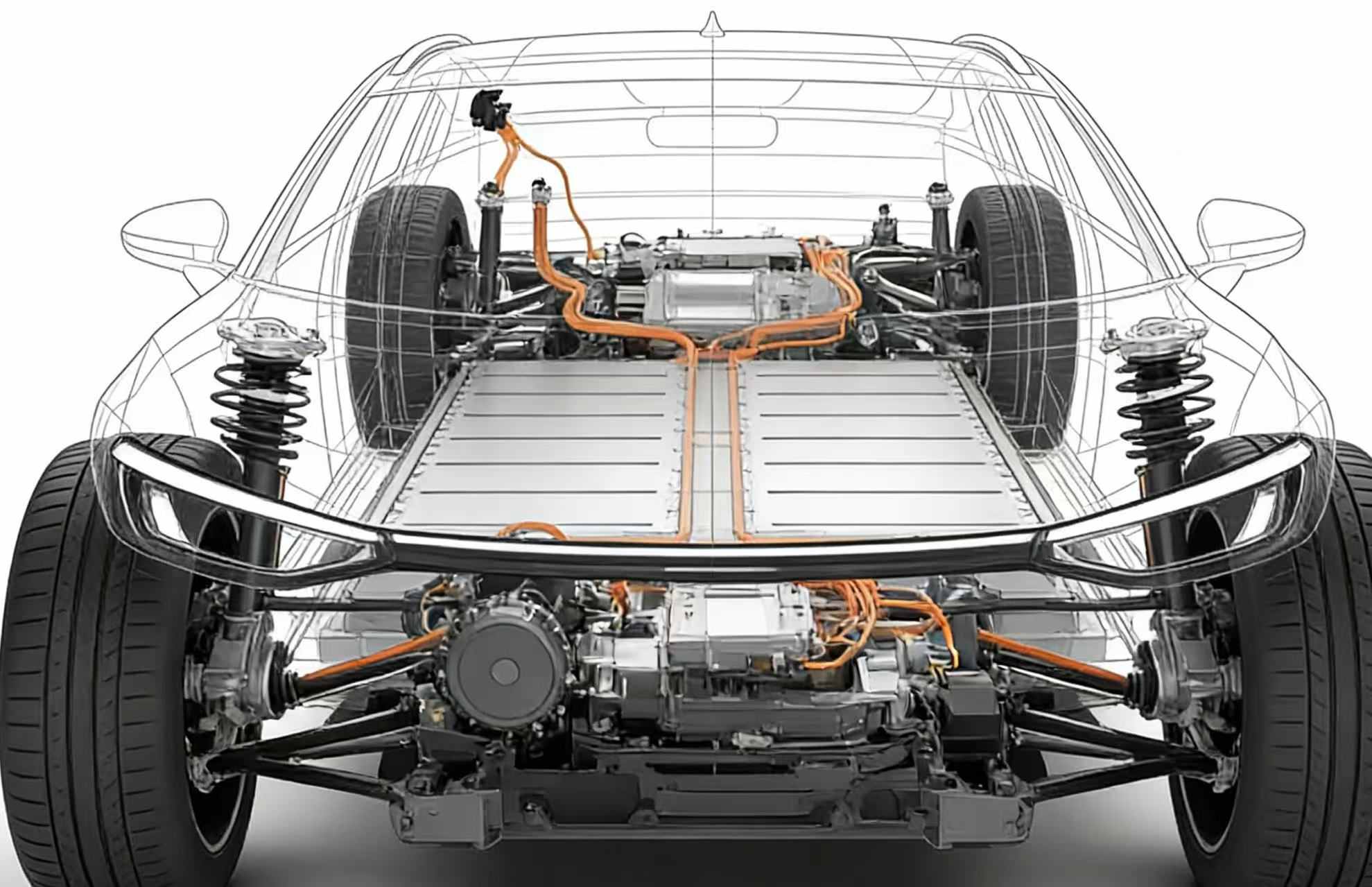
  • Why are axial cores suitable for new energy vehicles Why are axial cores suitable for new energy vehicles
    Sep 29, 2026
    1. Extremely short axial length, saving chassis space.Radial motors are cylindrical in shape, typically increasing power output by extending their length; axial-flux motors resemble "pancakes," allowing for a significantly shorter axial dimension for the same power output. Industry comparisons show that axial-flux motors often achieve an axial length of only about 30%–50% that of radial motors with equivalent power, with some high-performance prototypes being even thinner. 2. Large effective disc area and long lever arm; delivers high torque at low speeds.The axial torque of an axial-flux core depends heavily on the rotor's outer diameter (roughly based on the lever-arm effect of the disk radius); consequently, large-diameter axial-flux designs offer a distinct advantage in torque density at low speeds. For a given volume or outer diameter, an axial-flux core can deliver higher torque than a radial-flux core. 3. Axial-flux cores feature short magnetic paths, relatively low iron losses, and a broad high-efficiency operating range.An axial core follows a straight path across the planar air gap, resulting in a shorter flux path compared to the radial "tooth-yoke-tooth" configuration. When combined with thin silicon steel,concentrated windings, and oil cooling, some designs achieve peak efficiencies exceeding 96%–97% and offer a broader high-efficiency range at low to medium speeds. For electric vehicles, this translates to greater energy savings during city driving, frequent stop-and-go traffic, and regenerative braking. 4. The power output of the axial core can be increased through modular stacking.To increase the power of a radial-flux core, one typically lengthens the core or increases its diameter, but a high length-to-diameter ratio makes the layout difficult; in contrast, an axial-flux core is inherently a flat disc, making coaxial stacking a natural fit.
    Read More
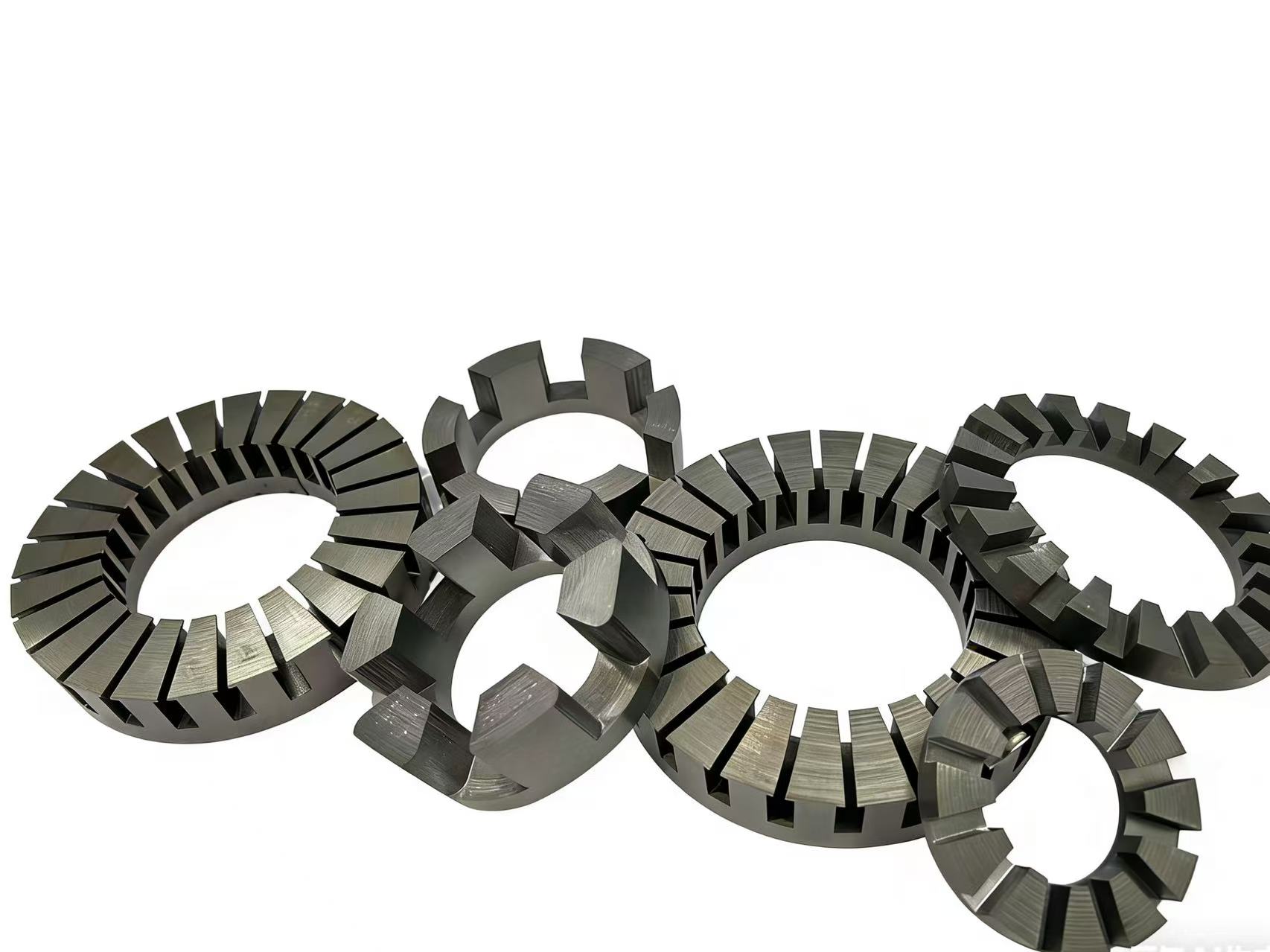
  • How to Select an Axial Core Based on Application Scenarios? How to Select an Axial Core Based on Application Scenarios?
    Sep 24, 2026
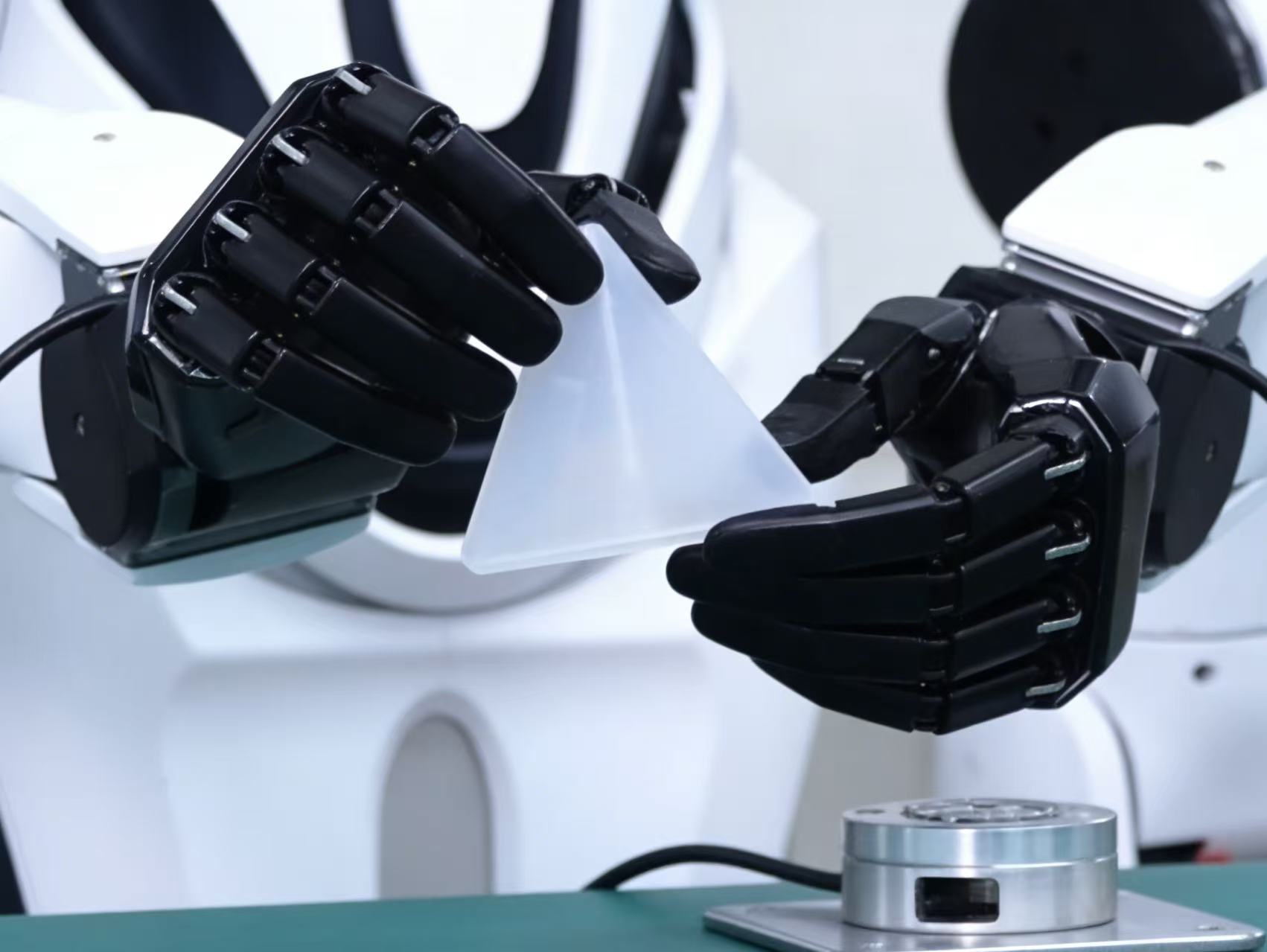
    Scenario 1: New Energy Vehicle Main Drive For high-performance main drive units (800V) in new energy passenger vehicles, 0.2mm non-oriented silicon steel laminations—whether yoke-type or segmented—are recommended. This type of axial core offers advantages such as high saturation torque, low iron losses (due to the thin laminations), compatibility with oil cooling, and cost-effectiveness for mass production.   Scenario 2: Humanoid Robot Joints For the high-performance full-body joints of humanoid robots, axial cores made of ultra-thin silicon steel are recommended.   Scenario 3: eVTOL/Low-altitude Aircraft Operating characteristics: Fundamental frequency of 500–1500 Hz, power density >8 kW/kg, extreme sensitivity to weight, low production volume (hundreds to thousands of units), and high cost tolerance. Therefore, an axial core made of 0.1 mm thin silicon steel is recommended, as it offers a favorable thrust-to-weight ratio and the market for ultra-thin silicon steel is relatively mature.   Scenario 4: Industrial Servo / High-Speed Spindle For general-purpose servo applications (medium speed), axial cores made of 0.2–0.35 mm silicon steel laminations are recommended, as this technology is mature and offers a favorable cost-performance ratio. For high-speed spindle applications (>20,000 rpm), we recommend using amorphous/nanocrystalline axial cores, as controlling iron loss is critical in such scenarios. For applications involving frequent servo start-stop operations, an axial core made of 0.2 mm thin silicon steel is recommended due to its advantages of low inertia and low iron loss.   Scenario 5: White Goods / Air Conditioner Compressors Operating characteristics: fundamental frequency of 50–200 Hz, low torque density, extremely high production volume (100,000 to over a million units), and extreme cost sensitivity. Therefore, an axial iron core made of 0.35mm non-oriented silicon steel—characterized by low frequency, high volume, and cost-efficiency—in either wound or stamped form is sufficient. However, the high-speed motors found in some high-end vacuum cleaners and hair dryers can also utilize axial cores made from thin (0.2 mm) silicon steel laminations, offering certain advantages during high-frequency operation.
    Read More

  • What are the advantages of using ultra-thin silicon steel in axial cores What are the advantages of using ultra-thin silicon steel in axial cores

    Dec 09, 2025
    Axial cores are a special type of core used in motors or transformers, the raw material is usually silicon steel, characterized by magnetic flux (magnetic field) primarily distributed along the rotational axis or axial direction of the device. This contrasts sharply with common radial cores (where magnetic flux is distributed radially).   Compared to traditional silicon steel, the application of ultra-thin silicon steel in axial cores does indeed bring a series of significant advantages, mainly due to the improvement in its physical and electromagnetic properties. The application of ultra-thin silicon steel in axial cores is one of the key technologies for achieving high-frequency, high-efficiency, and miniaturized motors and transformers. Advantages: 1. In terms of electromagnetic performance, ultra-thin silicon steel is applied to the axial core. Due to the extremely thin thickness of ultra-thin silicon steel, the eddy current flow path is restricted, and the loop resistance is increased. Moreover, ultra-thin silicon steel itself has a low iron loss value, which can significantly reduce iron loss (especially eddy current loss) compared with traditional silicon steel, and improve the efficiency of motors/transformers. 2. In terms of structural design, axial cores made of ultra-thin silicon steel generally use self-bonding technology. Self-bonding technology uses special adhesives to solidify the silicon steel sheets as a whole, avoiding the damage to the material caused by traditional riveting/welding. 3. In terms of thermal management, the axial core made of ultra-thin silicon steel uses self-adhesive technology, and the self-adhesive coating fills the gaps between the sheets, forming an efficient axial heat conduction path; while the low iron loss characteristics of ultra-thin silicon steel can reduce heat generation from the source. In summary, ultra-thin silicon steel, applied to axial cores through special material processing and structural design, offers significant advantages in reducing high-frequency losses, increasing power density, optimizing heat dissipation, and improving NVH performance. This makes it highly suitable for the stringent requirements of high-efficiency, compact size, and high performance in current high-end motors and transformers.
    Read More

Need Help? leave a message

leave a message

We will contact you as soon as possible

Submit

home

products

whatsApp

contact

Need Help? Chat with us

Start a Conversation

Hi! Click one of our members below to chat on