内页banner
Search
Home

Search

  • Selecting of steel Selecting of steel
    Sep 28, 2022
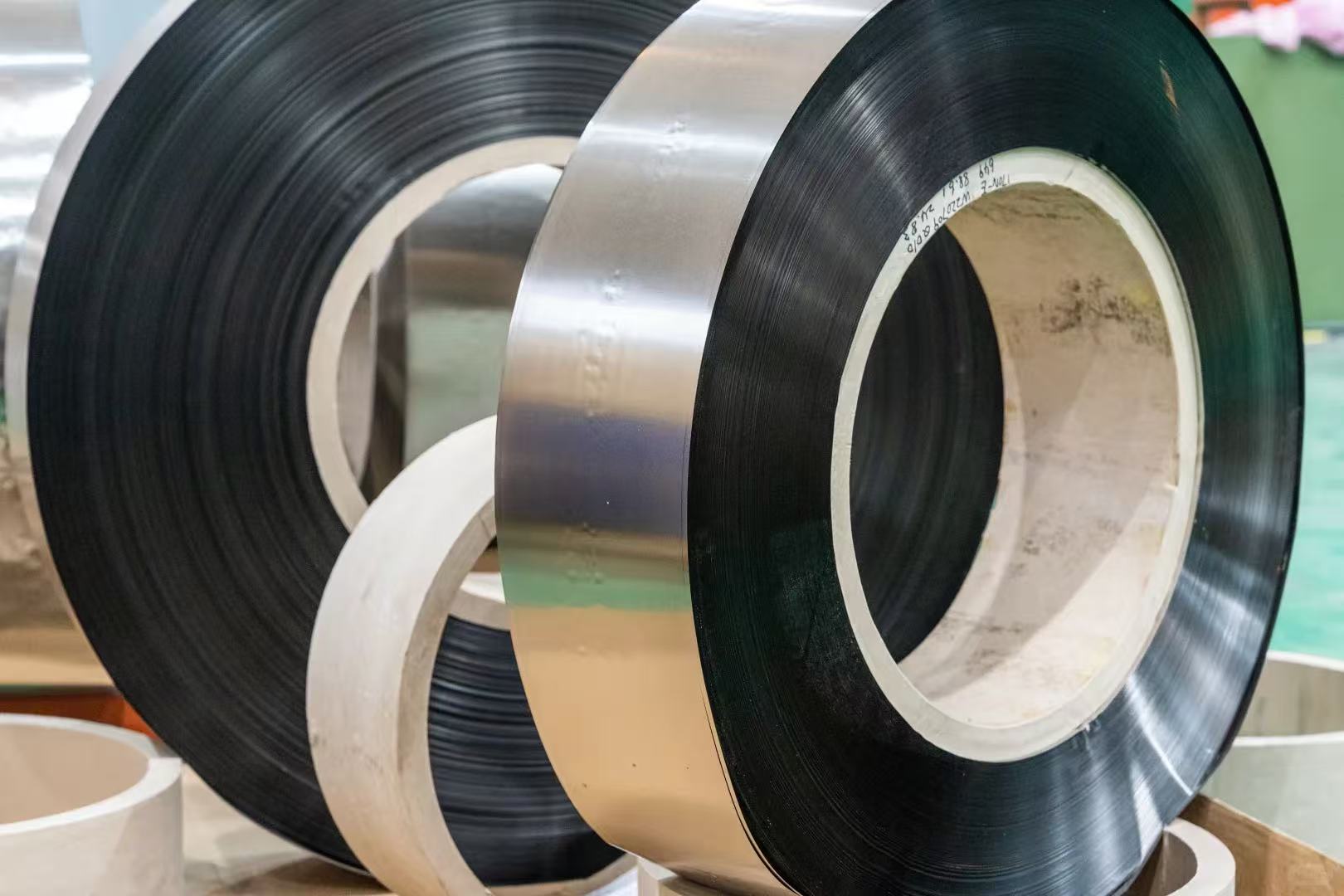
    We shall take the following two factors into consideration when selecting steel, the one is the machinability of the steel, the other is the vervice character during the processing, we hope the steel has a low strength and high elongation, which make ti easy to cut, stamp or form. But in the service of steel, we hope it has high strength, good impact performance to suffer extreme service condition. For these two reasons, we should select suitable steel form its mechanical properties.  Main Mechanical Properties Include Yield Strength  The yield strength or yield point of a material is defined in engineering and materias science as the stress at which a material begins to deform plastically. Prior to the yield point the material will deform elastically and will return to its orignal shape whem the applied stress is removed. Once the yield point is passed some fraction of the deformation will be permanent  and non-reversible.  Tensile Strength Tensile strength is indicated by the maximum stress before the break of specimen. In general, it indicates when necking will occur.  Elongation  Elongation , or percent elongation at break, is defined as  the change in gauge length after break per unit of the original gauge length. A high enlongation means the material can stand great permanet deformation before break, or high deformability.   The parameter yield strength, tensile strength, enlongation are measured by tensile test.  Impact Energy Impact energy, or toughness, is determined by the energy absorbed by the specimen during fracture in the impact test. It is measured in units of joules. Impact energy indicates material's resistance to impact load. It is tested by charpy V-notch test.  If welding is required during the process, we should consider the welding performance of the steel.  Welding  For the steel, welding is a fabrication to combine different pieces of steel together. In the welding, normally the binding sites melt together and cool to form a strong joint, such as electric arc welding, gas welding and electric resistance welding.  Weldability Weldability, also known as joinablility, of a material refiers to its alibityy to be welded. Most steels can be welded,but some are easier to weld than others. It greatly influences weld quality and is an important factor in choosing which welding process to use.   
    Read More
  • ASTM standard silicon steel coils providing core power for high-efficiency electrical equipment ASTM standard silicon steel coils providing core power for high-efficiency electrical equipment
    Feb 06, 2026
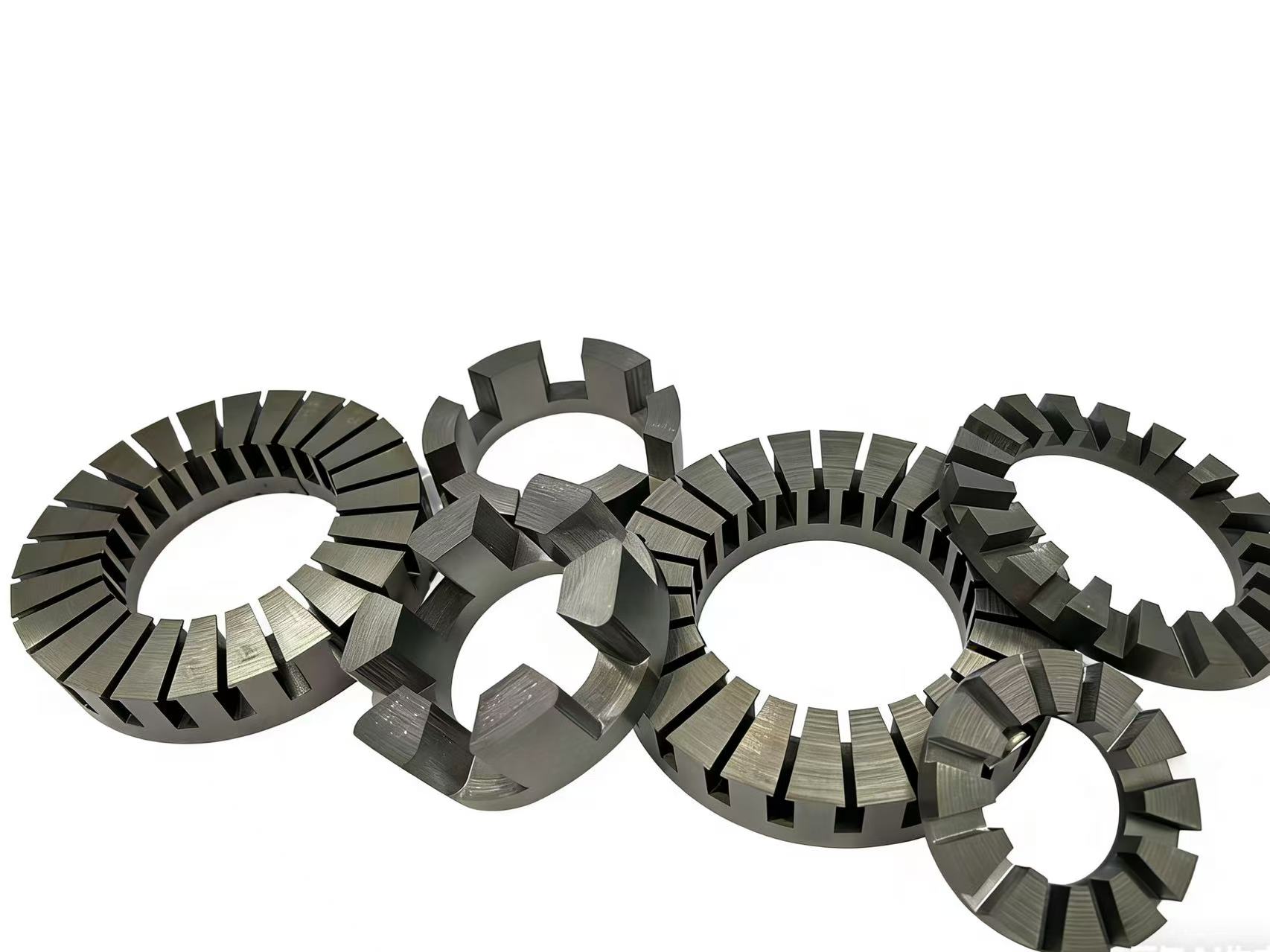
    1. Key characteristics of ASTM standard silicon steel coilsIn the field of power transmission and conversion, silicon steel coils, as an indispensable soft magnetic material, directly determine the energy efficiency of electrical equipment such as transformers and motors. Among them, silicon steel coils conforming to ASTM standards, with their superior magnetic and mechanical properties, have become the preferred material for the manufacture of high-end electrical equipment worldwide. With the advancement of energy conservation and emission reduction policies in various countries, especially the "dual-carbon" target leading to energy transformation, the quality requirements for silicon steel coils are becoming increasingly stringent. ASTM standards, as internationally recognized specifications, provide authoritative technical guidance for the production and application of silicon steel coils. ASTM standards cover the technical requirements for non-oriented silicon steel coils, a material with low carbon content (typically below 0.020%) and a specific silicon-aluminum-iron alloy composition. The silicon content is controlled between 0.50% and 3.20%, effectively reducing eddy current losses by increasing resistivity. Silicon steel coils conforming to ASTM standards have the characteristics of low iron loss and high magnetic permeability.     2. Strict production and testing processes ensure consistent quality.The production process of ASTM standard silicon steel coils strictly adheres to specifications, requiring precise control at every stage from smelting and hot rolling to cold rolling annealing. The annealing process, in particular, effectively eliminates internal stress and optimizes grain structure, thereby improving magnetic properties. Quality control employs precision instruments such as Epstein square rings and monolithic magnetometers to measure iron loss and magnetization curves. Insulation coating testing is equally important; interlayer resistance meters assess the coating's insulation performance to ensure compliance with ASTM standards. Coating thickness is typically controlled between 0.5 and 3.0 μm, with a surface resistivity of 5-50 Ω·cm², effectively preventing eddy current losses during laminated applications.   3. ASTM standard silicon steel coils are widely used in the power industry. In transformer manufacturing, especially small power transformers, their high magnetic flux density significantly reduces no-load losses and improves energy efficiency. In electric motor applications, the isotropic properties of non-oriented silicon steel coils are suitable for manufacturing stator and rotor cores. ASTM standard silicon steel coils are also widely used in new energy vehicle drive systems, solar inverters, and wind power generation equipment. Their high magnetic flux density and low iron loss characteristics perfectly meet the stringent requirements of high-efficiency energy conversion in the renewable energy sector. The home appliance industry also benefits from this; from air conditioner compressors to refrigerator motors, ASTM standard silicon steel coils help equipment achieve higher energy efficiency standards while reducing operating noise.
    Read More
  • Low-iron-loss motor laminated silicon steel helps new energy vehicles achieve a leap in performance. Low-iron-loss motor laminated silicon steel helps new energy vehicles achieve a leap in performance.
    Jan 29, 2026
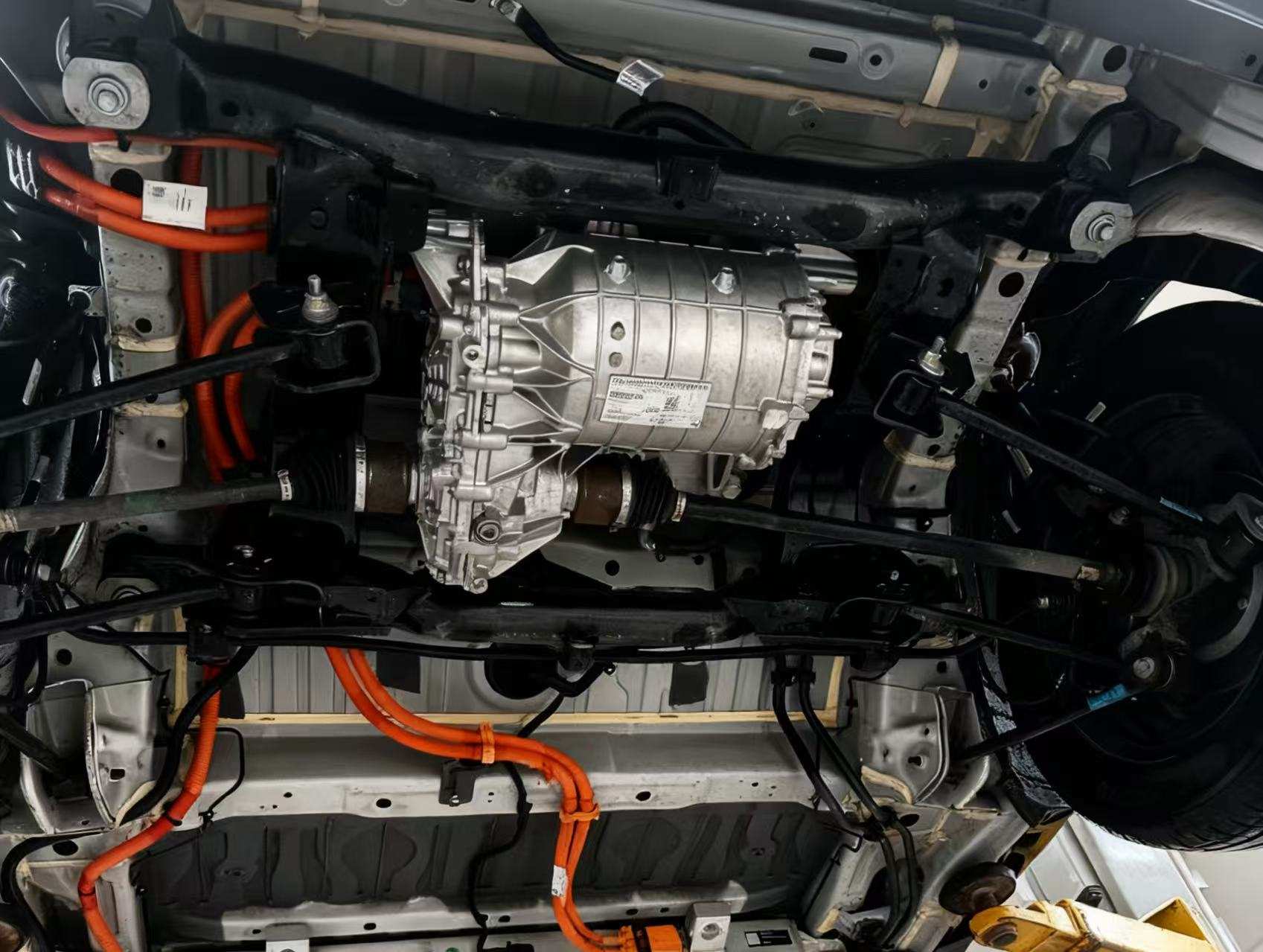
    The key to improving the performance of drive motors in new energy vehicles lies in the continuous innovation of electrical silicon steel materials and coating technologies. As the core material of the motor stator core, the performance of low-iron-loss laminated silicon steel directly determines the motor's energy efficiency, power density, and range.   Thinning the steel sheet is one of the most effective technical approaches to reducing iron loss. Thinner silicon steel sheets can significantly reduce high-frequency eddy current losses and improve motor efficiency.   Low-iron-loss motor laminated silicon steel is indeed a key component in improving the energy efficiency of current motor technology. Through collaborative innovation in materials, processes, and design, it provides a solid foundation for the efficient, miniaturized, and low-noise operation of motors.   Low-iron-loss motor laminated silicon steel technology is directly driving energy efficiency upgrades in several key industries, such as new energy vehicle drive motors: this is currently the most cutting-edge area of  technology application. To achieve longer range and higher power density, new energy vehicle drive motors need to maintain low losses at high speeds. The use of ultra-thin silicon steel sheets has become a standard configuration for high-end motors.   In the future, technology will continue to evolve, moving towards thinner (e.g., 0.10mm and below), higher strength, and even integration with sensors to achieve intelligent status monitoring, providing continuous material support for the "dual carbon" goal.  
    Read More
  • Application scenarios of silicon steel for new energy vehicles Application scenarios of silicon steel for new energy vehicles
    Jan 21, 2026
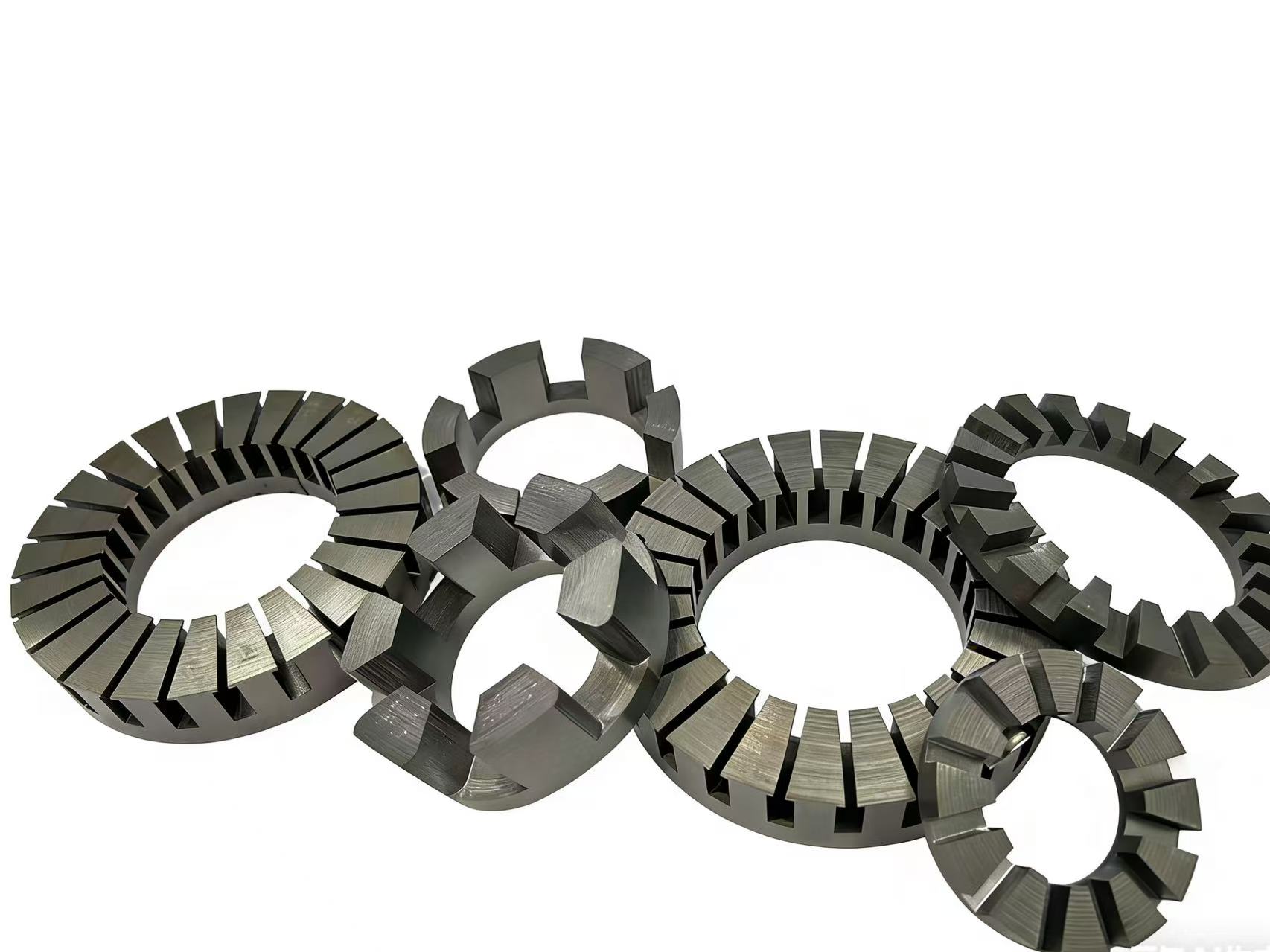
    Non-oriented silicon steel with a thickness between 0.2 mm and 0.35 mm is a key material for core components of new energy vehicles, such as drive motors and on-board chargers, and directly affects the vehicle's power, economy, and reliability.   Why is silicon steel so crucial? New energy vehicle drive motors strive for miniaturization, high efficiency, and high power density. This places extremely high demands on their "heart" material—silicon steel. High frequency and low loss: When the motor rotates at high speed (up to tens of thousands of revolutions per minute), the internal magnetic field changes at a very high frequency (400-1500Hz). The thinner the silicon steel sheet, the lower the eddy current loss, the higher the motor efficiency, and the more guaranteed the driving range. Studies have shown that compared to 0.35mm silicon steel, motors using 0.30mm silicon steel can increase the high-efficiency area by more than 20%.   High magnetic flux density: High magnetic flux density means that the motor can generate a stronger magnetic field under the same current, thereby obtaining greater torque and power density, which helps to achieve motor weight reduction.   Application scenarios: New energy silicon steel with a thickness of 0.30mm-0.35mm has good cost-effectiveness, meets basic performance requirements, and is generally used in the auxiliary motors of some A0-class electric vehicles and hybrid vehicles. New energy silicon steel with a thickness of 0.25mm-0.27mm has the characteristics of balancing performance and cost, low iron loss and high magnetic induction, and is the current mainstream stator core for electric vehicle drive motors.   New energy silicon steel with a thickness of 0.20mm or less features extremely low iron loss, optimal high-frequency performance, and suitability for ultra-high speeds. It is generally used in high-performance motors with speeds ≥15000rpm.   The thinness of silicon steel is primarily to address the challenges posed by the increasing frequency of drive motors. Higher motor speeds result in higher frequencies of internal magnetic field changes, leading to significant eddy current losses in the silicon steel sheets. Using thinner silicon steel sheets (such as 0.25mm or 0.20mm) effectively suppresses eddy currents and reduces iron losses, thereby improving motor efficiency. This is crucial for extending vehicle driving range.    
    Read More
  • What are the advantages of using ultra-thin silicon steel in axial cores What are the advantages of using ultra-thin silicon steel in axial cores
    Dec 09, 2025
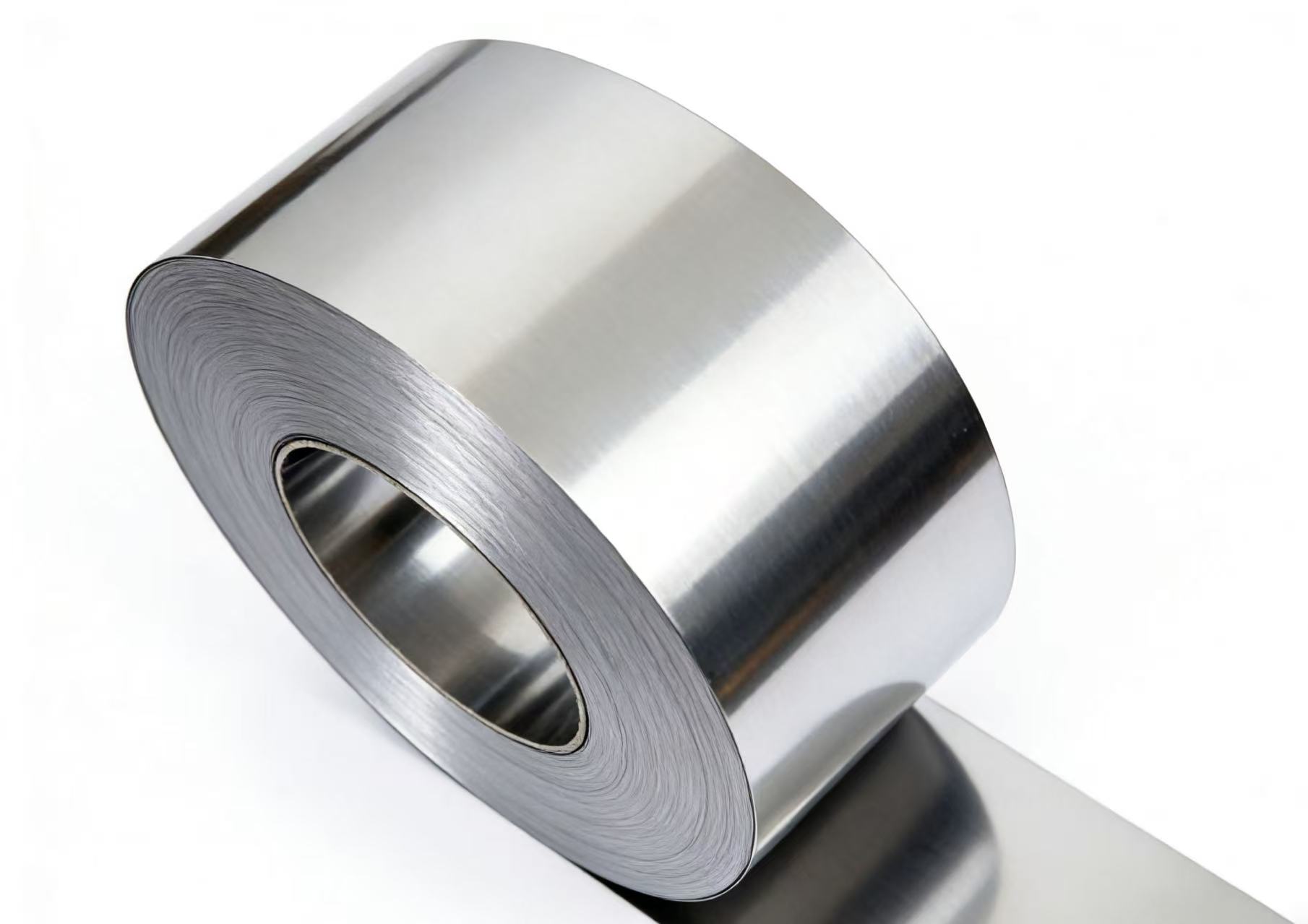
    Axial cores are a special type of core used in motors or transformers, the raw material is usually silicon steel, characterized by magnetic flux (magnetic field) primarily distributed along the rotational axis or axial direction of the device. This contrasts sharply with common radial cores (where magnetic flux is distributed radially).   Compared to traditional silicon steel, the application of ultra-thin silicon steel in axial cores does indeed bring a series of significant advantages, mainly due to the improvement in its physical and electromagnetic properties. The application of ultra-thin silicon steel in axial cores is one of the key technologies for achieving high-frequency, high-efficiency, and miniaturized motors and transformers. Advantages: 1. In terms of electromagnetic performance, ultra-thin silicon steel is applied to the axial core. Due to the extremely thin thickness of ultra-thin silicon steel, the eddy current flow path is restricted, and the loop resistance is increased. Moreover, ultra-thin silicon steel itself has a low iron loss value, which can significantly reduce iron loss (especially eddy current loss) compared with traditional silicon steel, and improve the efficiency of motors/transformers. 2. In terms of structural design, axial cores made of ultra-thin silicon steel generally use self-bonding technology. Self-bonding technology uses special adhesives to solidify the silicon steel sheets as a whole, avoiding the damage to the material caused by traditional riveting/welding. 3. In terms of thermal management, the axial core made of ultra-thin silicon steel uses self-adhesive technology, and the self-adhesive coating fills the gaps between the sheets, forming an efficient axial heat conduction path; while the low iron loss characteristics of ultra-thin silicon steel can reduce heat generation from the source. In summary, ultra-thin silicon steel, applied to axial cores through special material processing and structural design, offers significant advantages in reducing high-frequency losses, increasing power density, optimizing heat dissipation, and improving NVH performance. This makes it highly suitable for the stringent requirements of high-efficiency, compact size, and high performance in current high-end motors and transformers.
    Read More
  • In which fields is ultra-thin silicon steel (0.1-0.2mm) used In which fields is ultra-thin silicon steel (0.1-0.2mm) used
    Dec 05, 2025
    Silicon steel is extremely important, it is not only a cornerstone material for the modern power and electronics industries, but is also hailed as an "artwork" and a "jewel in the crown" among steel products.With technological advancements and the demands of industrial development, silicon steel has gradually moved towards ultra-thin designs. Ultra-thin silicon steel with a thickness between 0.1 mm and 0.2 mm is an indispensable core material for many cutting-edge high-end equipment. Its value mainly stems from a key physical property: the eddy current loss of silicon steel sheets is proportional to the square of their thickness. This means that when the thickness is reduced from the conventional 0.35 mm or 0.5 mm to 0.1 mm, the eddy current loss can be significantly reduced to 1/25 or even lower, thereby greatly improves the energy conversion efficiency and high-frequency performance of motors made from CRNGO materials.Application fields: 1. New energy vehicle drive motors: The high efficiency of ultra-thin silicon steel enables new energy vehicle motors to extend their driving range, and its high power density can further reduce the size of the motor. Extremely low iron losses also result in higher energy efficiency, supporting ultra-high motor speeds (such as 31,000 rpm), thereby increasing power density. 2. Humanoid robot joint motors: Humanoid robot joint motors require miniaturization, lightweight, high precision, and fast response. The ultrathin thickness of ultra-thin silicon steel meets the stringent requirements of micro joint motors such as hollow cups and frameless torque motors in tiny spaces; moreover, its high magnetic induction ensures strong and precise power output. 3. Drones/eVTOL: This type of motor needs to operate at extremely high speeds (medium-high frequencies, such as 400-1000Hz) and requires extremely light weight. The excellent iron loss characteristics of ultra-thin silicon steel at medium-high frequencies ensure that the motor maintains low loss and high efficiency at high speeds, directly improving the aircraft's endurance and maneuverability; The level of research and development and industrialization of ultra-thin silicon steel is becoming an important indicator of a country's competitiveness in high-end manufacturing and emerging industries. Today, Shunge Steel can provide manufacturers in high-end manufacturing and emerging industries with solutions for ultra-thin silicon steel materials, and can also provide ultra-thin silicon steel in various thicknesses. Welcome to inquire and learn more.
    Read More
  • What are the advantages of ultra-thin silicon steel (0.1-0.2mm)? What are the advantages of ultra-thin silicon steel (0.1-0.2mm)?
    Nov 28, 2025
    Ultra-thin silicon steel (with a thickness between 0.1 mm and 0.2 mm) is one of the core materials for current motor technology innovation. Its core advantage lies in achieving a "double" increase in motor energy efficiency, power density, and overall performance through "thinning" of the physical thickness. • Improve energy efficiency and reduce iron losses. In motors, silicon steel sheets generate eddy currents due to electromagnetic induction, causing energy to be lost as heat; this loss is called iron loss. Ultra-thin silicon steel sheets can effectively limit the generation path of eddy currents, thereby significantly reducing iron losses. •Achieving Miniaturization and Lightweighting Ultra-thin silicon steel directly leads to the miniaturization and light weighting of both the material itself and the final application products. Higher Power Output in the Same Volume: For applications highly sensitive to space and weight, such as drones, humanoid robots, and low-altitude aircraft, using 0.1 mm or 0.2 mm ultra-thin silicon steel allows motors to output higher power in the same volume, or to make the motor smaller and lighter while maintaining power. This is crucial for improving equipment mobility and endurance, meeting the demands of high-end applications. •Core Advantages of Ultra-thin Silicon Steel in Different Application Scenarios New Energy Vehicle Drive Motors: Its core advantage lies in low iron loss, improving motor efficiency, extending vehicle range, and making energy utilization more efficient. Drone/eVTOL Motors: The core advantage of ultra-thin silicon steel lies in its excellent high-frequency performance, supporting miniaturization and light weighting, increasing motor speed and power density, and providing devices with better maneuverability and longer flight time. Humanoid Robot Joint Motors: The core advantage of ultra-thin silicon steel in this area is its high magnetic induction and low iron loss, supporting precision control and miniaturization, providing the power foundation for precise movements of joints such as dexterous hands and waists, and contributing to improved motion performance. Shunge Steel can now provide you with ultra-thin silicon steel in various specifications with thicknesses ranging from 0.1 to 0.2 mm. Welcome to inquire.
    Read More
  • Why Pursue "Ultra-thin" Silicon Steel? Why Pursue "Ultra-thin" Silicon Steel?

    Nov 20, 2025
    The pursuit of "ultra-thin" silicon steel is driven by the core objective of achieving higher energy efficiency, meeting the demands of high-frequency applications, and promoting the miniaturization and lightweighting of equipment.   The fundamental advantage of the "ultra-thin silicon steel" design lies in the principles of physics. In an alternating magnetic field, eddy currents are generated inside the silicon steel sheet, causing energy to be lost as heat (eddy current loss). Thinner silicon steel sheets confine eddy currents to a narrower vertical cross-section, effectively increasing the resistance of the eddy current path and thus suppressing eddy current loss. Therefore, the higher the operating frequency, the thinner the silicon steel sheet needs to be.     However, the pursuit of "ultra-thin silicon steel" also comes with enormous technological challenges. Reducing thickness means an exponential increase in the demands of process control, especially in rolling and annealing, where even the slightest deviation can lead to strip breakage. Simultaneously, as the silicon content increases (aimed at improving resistivity and optimizing magnetic properties), the material's brittleness increases significantly, making the rolling and processing of ultra-thin products extremely difficult.     The development of "ultra-thin silicon steel" is driven by clear high-end application demands. For example, the new energy vehicle industry pursues high-speed electric drive systems (such as BYD's 30,000 RPM motor). High speed means high frequency, requiring the use of silicon steel sheets as thin as 0.20mm or even thinner to control iron losses, while simultaneously achieving motor miniaturization and weight reduction. In fields such as high-end medical equipment and eVTOL low-altitude aircraft, the extreme requirements for motor size, weight, and response speed are also driving the development of ultra-thin silicon steel technology at 0.15mm, 0.10mm, and even 0.04mm.     Shunge Steel's ultra-thin non-oriented silicon steel, with its superior magnetic properties, has become an ideal material choice for many high-end manufacturing fields. It features low iron loss, high magnetic permeability, and stable magnetic properties, significantly improving energy conversion efficiency. Shunge Steel closely monitors the technological frontiers and development trends of ultra-thin silicon steel, and is committed to providing customers with advanced material solutions.  
    Read More
  • Is Silicon Steel Strong?
    Oct 27, 2025
    Regarding "Is silicon steel strong?" In simple terms, the "strong" of silicon steel is more reflected in its electromagnetic properties rather than the mechanical strength against impact as we usually understand it. As a functional material, its mechanical strength is sufficient to meet the processing and usage requirements for its specific purpose, but it is not the core of its design.   The "strong" degree of silicon steel in different dimensions: Mechanical strength (tensile and impact resistance) : In terms of tensile and impact resistance, silicon steel performs moderately weak. Its tensile strength is typically between 370 and 540MPa, which is higher than that of ordinary plastics but far lower than that of specialized structural steels (such as high-strength steel, which can reach over 1000MPa).   Electromagnetic performance "strength" (iron loss, magnetic induction) : In terms of iron loss and magnetic induction, silicon steel demonstrates extremely "strong" and outstanding performance, which is the core value of silicon steel. Low iron loss means high energy conversion efficiency and less heat generation. High magnetic induction can make electrical equipment smaller in size and lighter in weight.   Process performance (adaptability to stamping, shearing and other processing) : In this aspect, silicon steel performs quite well. Silicon steel has certain plasticity, toughness and surface flatness, which can meet the requirements of stamping, shearing and lamination of motor and transformer cores.   A Deep Understanding of the "strong" in Silicon Steel From the above information, it can be seen that to evaluate whether silicon steel is "strong", it is necessary to combine specific scenarios. The core advantage lies in the "high efficiency" and "energy conservation" of electromagnetic performance: The "strength" of silicon steel is mainly reflected in its soft magnetic properties. In an alternating magnetic field, it needs to be easily magnetized and demagnetized, while the energy it consumes (i.e., iron loss) should be as low as possible. This is directly related to the efficiency of transformers and motors. According to statistics, upgrading existing transformers with high-end silicon steel saves nearly as much electricity in a year as the power generation of the Three Gorges Power Station, which shows its significant "strong" contribution in terms of energy conservation.   Mechanical strength is based on the premise of meeting processing and usage requirements: The mechanical strength of silicon steel fully serves its function. Excessive strength or hardness can lead to difficulties in blanking and rapid wear of the die. However, if the strength is too low, it may not be able to ensure that the core maintains structural stability in a high-speed rotating motor. Therefore, its strength is controlled within an appropriate range, capable of withstanding electromagnetic force, centrifugal force and stacking pressure, while also facilitating large-scale and high-precision stamping processing.   The "weak link" to note: Although the overall strength is sufficient, silicon steel, especially cold-rolled silicon steel, is relatively sensitive to processing stress. Shearing, bending and other processing can cause stress and strain to be generated inside the material, which may deteriorate its magnetic properties to a certain extent. Therefore, in some situations with extremely high performance requirements, the completed iron core may need to undergo annealing treatment to eliminate these stresses and restore its best electromagnetic performance.
    Read More
  • Is Silicon Steel Soft Iron?
    Sep 29, 2025
    Silicon steel is not soft iron. They are two different soft magnetic materials, with distinct differences in composition, properties, and primary applications. To help you quickly grasp the core differences, the following information summarizes their key characteristics. 1. Silicon steel (silicon steel sheet): Silicon steel is primarily composed of an iron-silicon alloy, with the silicon content generally ranging from 0.5% to 4.8%. Its key features are high resistivity, high magnetic permeability, low coercive force, and minimal eddy current losses. Nevertheless, as the silicon content rises, the brittleness of silicon steel will increase accordingly. It is predominantly applied in the field of alternating current, such as in the cores of electric motors, transformers, and relays.   2. Soft Iron (Electromagnetic Pure Iron / Industrial Pure Iron):  The primary component of soft iron is high-purity iron, with a carbon content below 0.04% and minimal traces of other impurity elements. Its key characteristics include high saturation magnetization, low cost, and excellent processability. However, due to its low resistivity, it exhibits significant eddy current losses under alternating magnetic fields. Therefore, it is generally applied in direct current (DC) or static magnetic fields, such as in electromagnetic cores, pole shoes, and magnetic shielding covers. Why the confusion? Silicon steel and soft iron are often discussed together because they are both soft magnetic materials. These materials share a narrow hysteresis loop, are easily magnetized, and are easily demagnetized. This means they efficiently direct and concentrate magnetic flux lines, and their magnetism quickly disappears after the magnetic field disappears, unlike magnets that retain their magnetism for long periods of time. Historically, early motors and transformers did use soft iron or low-carbon steel directly as cores. However, it was later discovered that adding silicon to pure iron significantly improved its performance under alternating current (AC). This led to the development of silicon steel specifically for AC applications, which gradually became a mainstream material in the power industry. Summary: Simply put, you can understand their roles as follows: Silicon steel is more like a specialist specialized for AC environments, sacrificing some toughness (the addition of silicon causes brittleness) to achieve high resistivity, effectively reducing eddy current losses. Soft iron is a powerhouse in DC or static magnetic fields. Its extremely high saturation magnetization generates a strong magnetic field, but it cannot withstand the high-frequency magnetization reversals of AC.
    Read More
  • Which Motors Is Used In Drones?
    Sep 22, 2025
    The types of motors used in drones mainly depend on their size, purpose, and performance requirements. Generally speaking, the vast majority of consumer and industrial drones use brushless motors, while some micro or toy drones may adopt brushed motors or special hollow cup motors. When choosing a motor, the following points need to be comprehensively considered: 1. Types and uses of drones: Clearly define whether your drone is for aerial photography, racing, agricultural spraying or heavy-lift transportation. 2. Total weight and load: Estimate the total take-off weight of the drone, including the frame, battery, camera and all other equipment. This determines the total thrust you need. 3. Propeller matching: Motors and propellers need to be optimally matched. Large propellers go with low KV motors, and small propellers go with high KV motors, following the principle of "big with low, small with high". It's best to refer to the "motor-propeller thrust table" provided by the motor manufacturer for selection. 4. Battery voltage: The KV value of the motor needs to be matched with the battery voltage (such as 3S, 4S, 6S, etc.) to ensure the motor operates within an appropriate power range. How to understand motor parameters: 1. KV value: The KV value represents the increase in rotational speed (RPM/V) that a motor can achieve for each additional volt of voltage in an unloaded state. A higher KV value means a faster motor speed but relatively smaller torque. Motors with high KV values are typically paired with small propellers for racing drones; while low KV value motors focus more on torque output and can drive larger propellers, making them suitable for agricultural and logistics drones that require greater load capacity and stability. 2. Stator size: Usually expressed as diameter*height (e.g., 100*33mm). Under the same KV value, a larger stator size generally indicates greater power and torque potential for the motor. 3. Rated power: The power at which a motor can operate continuously, directly affecting the load capacity and continuous flight performance of a drone. The power of motors for industrial drones is significantly higher than that for consumer drones. 4. Matching and efficiency: The motor, electronic speed controller (ESC), propeller, and battery need to be properly matched to achieve optimal performance. An unmatched configuration may lead to low efficiency, overheating, or even damage.   The motors of consumer-grade drones focus on high integration, low noise and efficiency; the motors of industrial-grade drones, on the other hand, aim for high torque, high reliability and strong load capacity, with significantly increased power; while the motors in the DIY market (such as Hobbywing and T-Motor) offer enthusiasts a wide range of performance options and customization space.
    Read More
  • What is CRGO and CRNGO?
    Sep 15, 2025
    CRGO (Cold-Rolled Grain-Oriented silicon steel) and CRNGO (Cold-Rolled Non-Grain-Oriented silicon steel) are specialized steel products primarily used in electrical applications due to their superior magnetic properties. Here's a detailed comparison: 1. Definition and Basic Characteristics CRGO (Cold-Rolled Grain-Oriented silicon steel): This material undergoes a special cold-rolling and annealing process that aligns the crystalline grains in a specific direction (orientation). This orientation enhances magnetic properties in the rolling direction, making it ideal for applications where magnetic flux is primarily directional, such as transformer cores. CRNGO (Cold-Rolled Non-Grain-Oriented silicon steel): In contrast, CRNGO does not have a preferred grain orientation. Its grains are randomly oriented, resulting in isotropic magnetic properties (similar in all directions). This makes it suitable for rotating machinery like electric motors and generators, where the magnetic field changes direction. 2. Production Process Both CRGO and CRNGO are produced through a series of steps including hot rolling, cold rolling, and annealing. However, CRGO requires an additional critical step: secondary cold rolling and high-temperature annealing to develop the Goss texture (110)[001], which is responsible for its grain-oriented structure. CRNGO, on the other hand, does not undergo this texture development process, resulting in its non-oriented nature. 3. Key Applications CRGO: Its primary application is in the cores of power and distribution transformers. Its high magnetic permeability and low core loss in the rolling direction make it exceptionally efficient for minimizing energy loss in electrical transmission. CRNGO: It is predominantly used in the manufacturing of stators and rotors for electric motors​ (especially in automotive applications like electric vehicles), generators, and small transformers​ where the magnetic field is not unidirectional. Its isotropic nature ensures consistent performance regardless of the magnetic field direction. 4. Market and Industry Context The global market for these materials is significant and growing, driven largely by the expansion of the renewable energy sector and the electric vehicle (EV) industry. CRNGO demand is particularly boosted by the rapid growth in EV production, as it is a key component in efficient traction motors. China is a major producer and consumer of both CRGO and CRNGO. In 2022, China's CRNGO production was around 4.5 million tonnes, accounting for over 60% of global output. CRGO and CRNGO are essential high-performance materials in the electrical industry. The choice between them depends fundamentally on the application: CRGO is the material of choice for static equipment like transformers where magnetic fields are directional. CRNGO is indispensable for rotating machinery like motors and generators where magnetic fields are multi-directional. The growth in energy efficiency demands and the electrification of transport are key drivers for the continued innovation and market expansion of both CRGO and CRNGO
    Read More
1 2 3
A total of3Pages

Need Help? leave a message

leave a message

We will contact you as soon as possible

Submit

home

products

whatsApp

contact

Need Help? Chat with us

Start a Conversation

Hi! Click one of our members below to chat on