
 en
 fr
 es
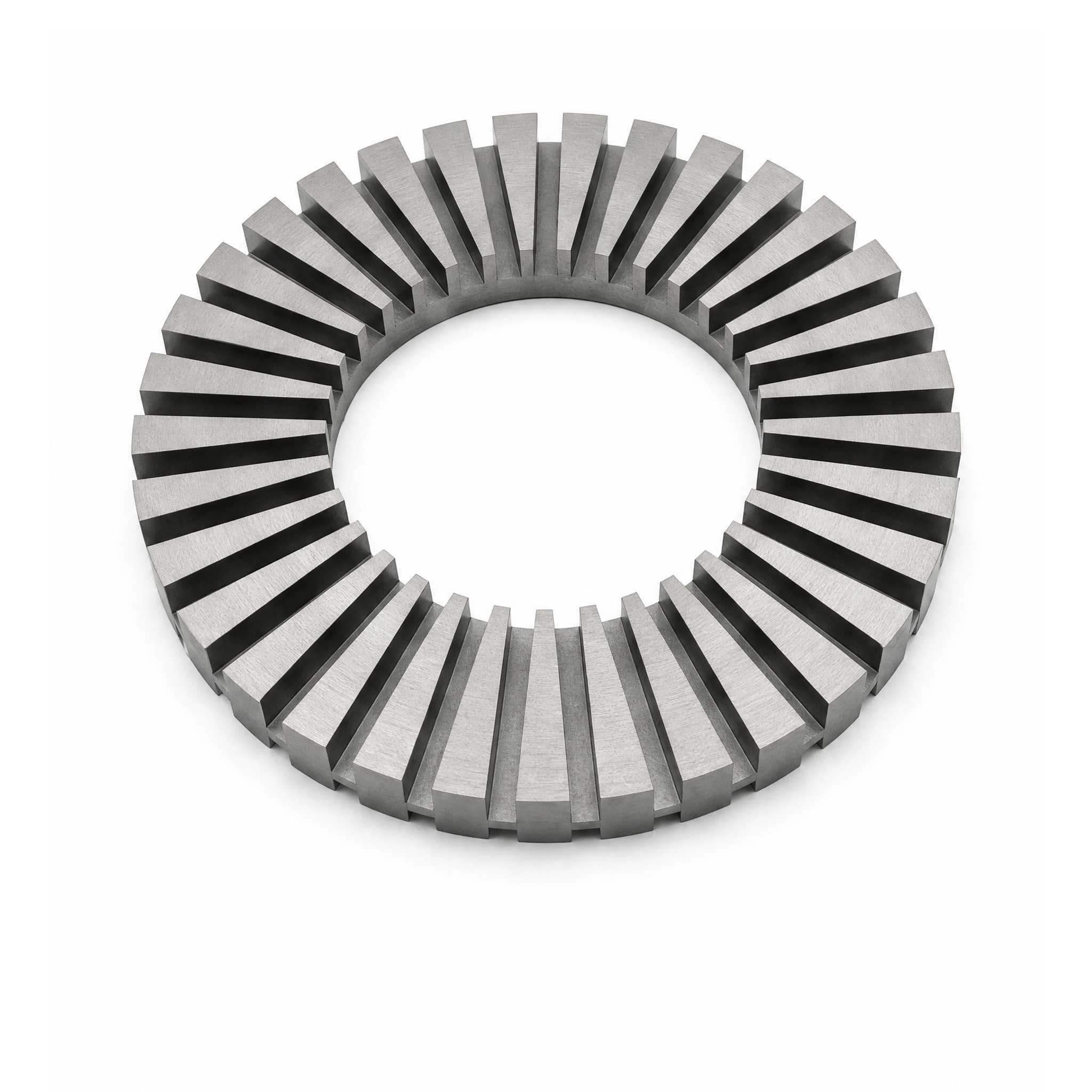
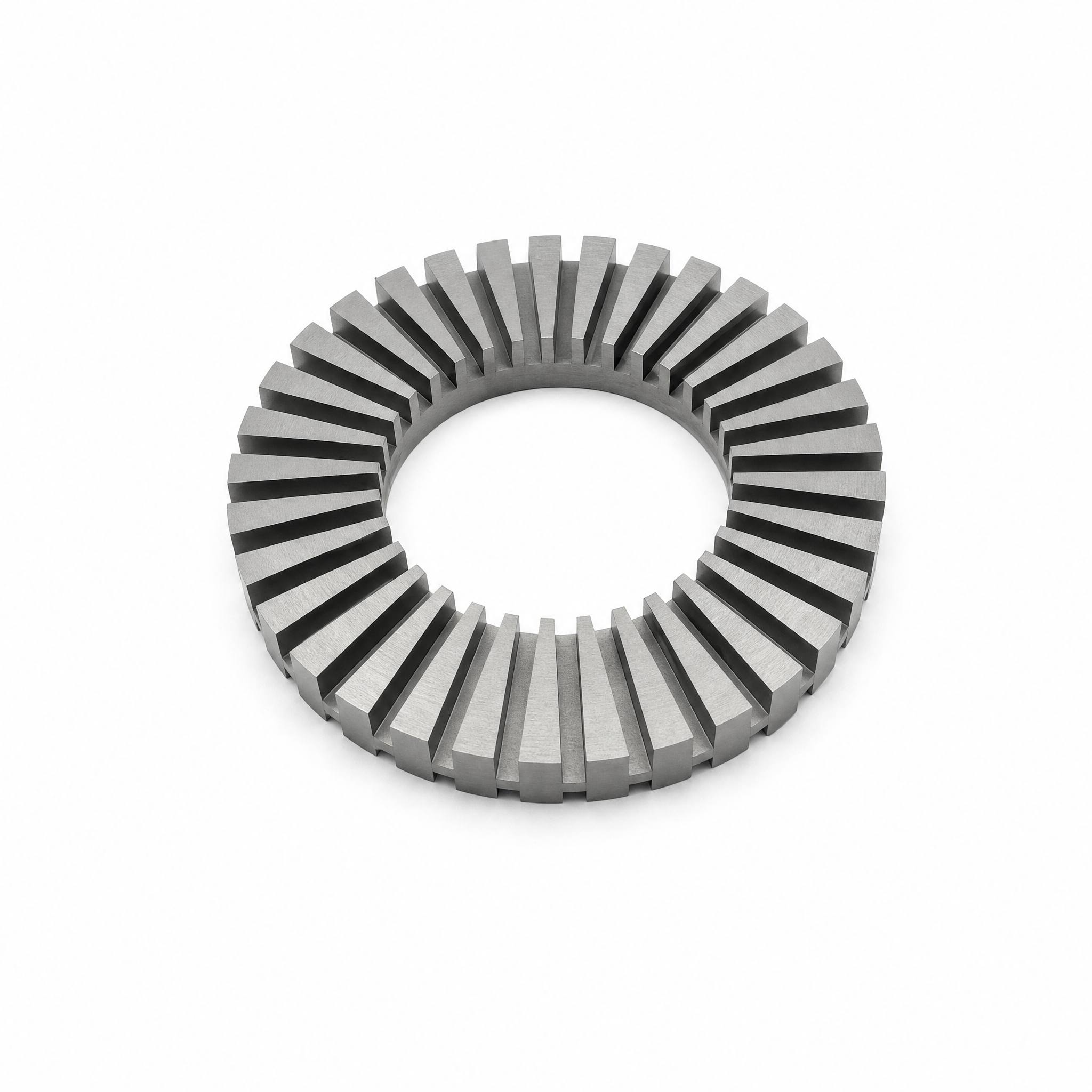
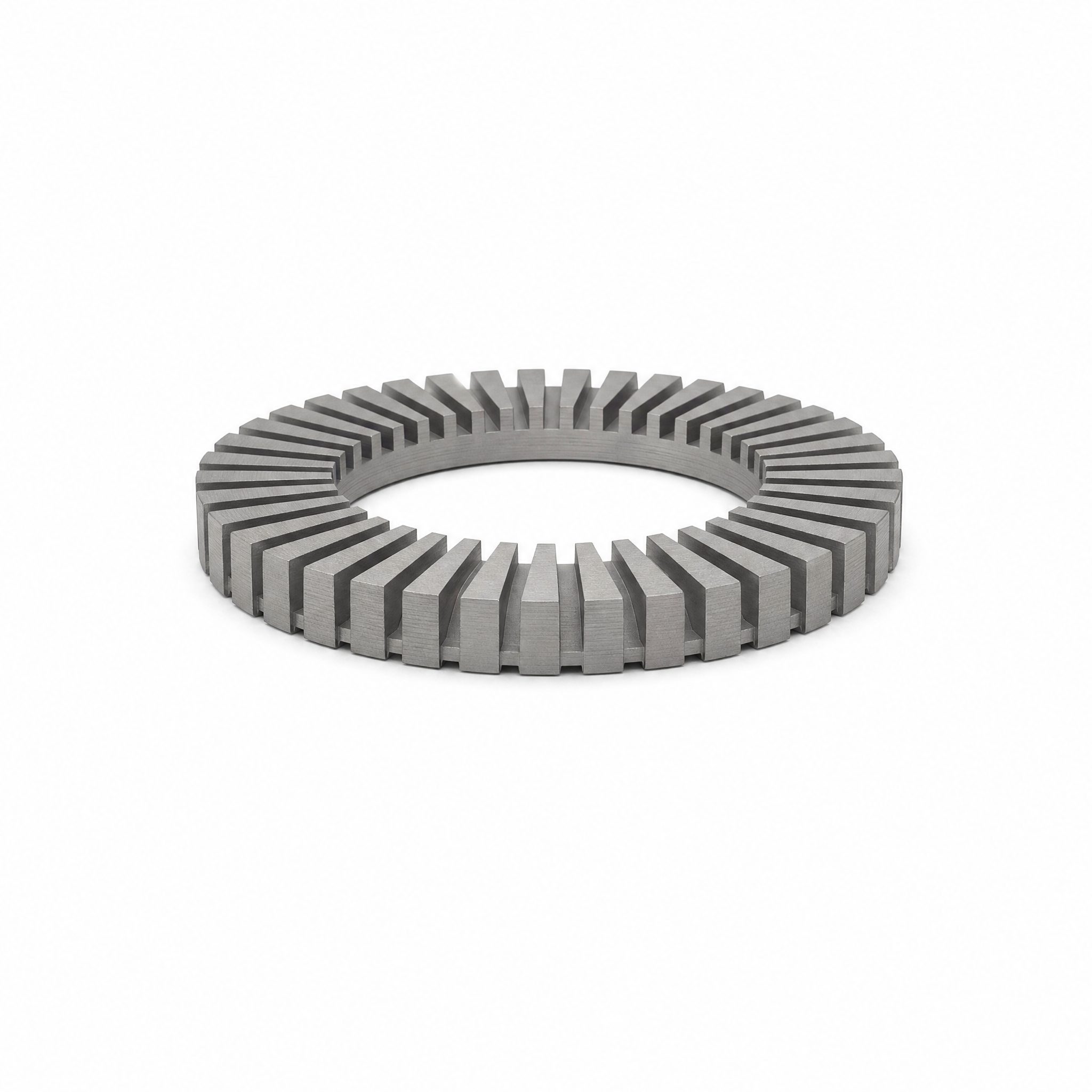
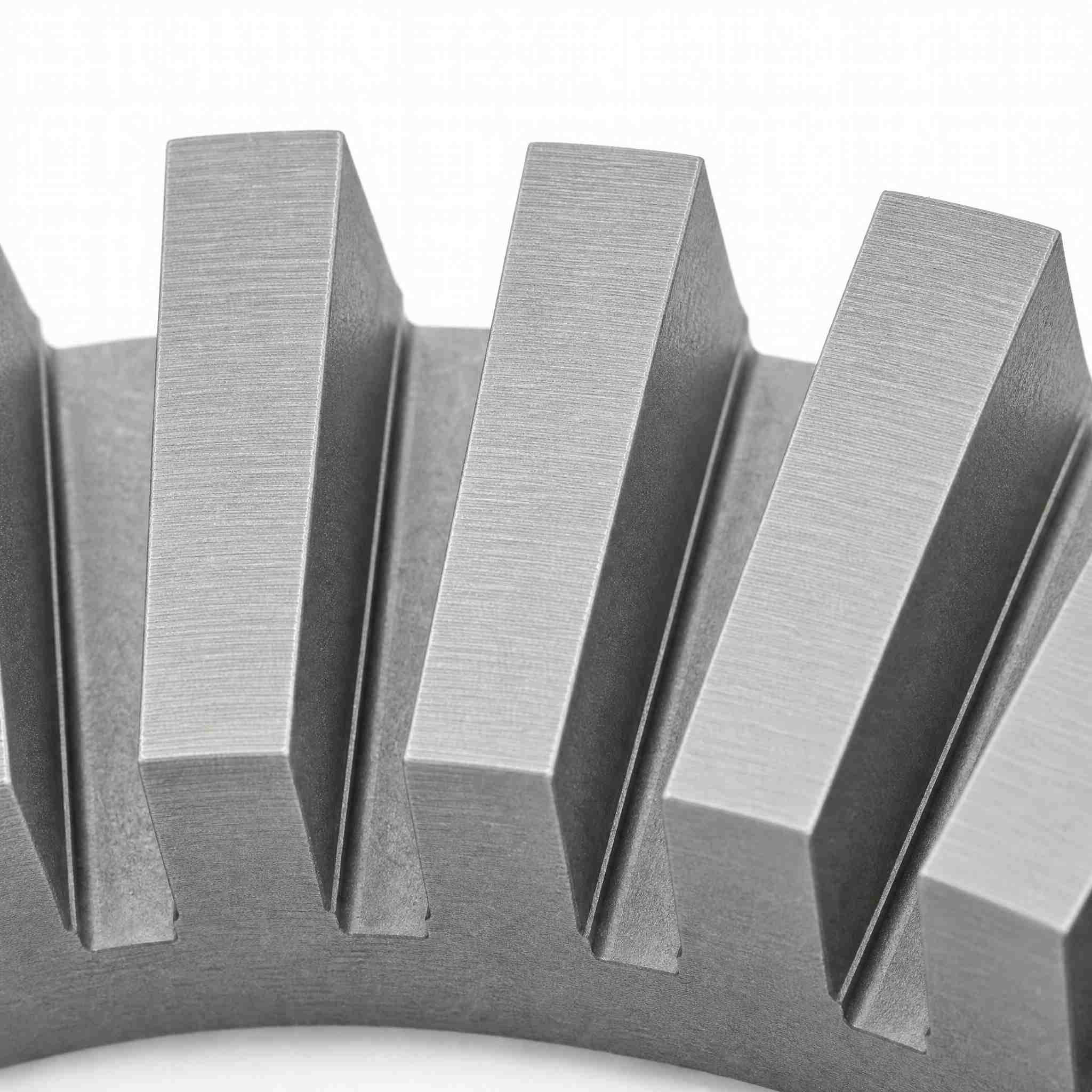
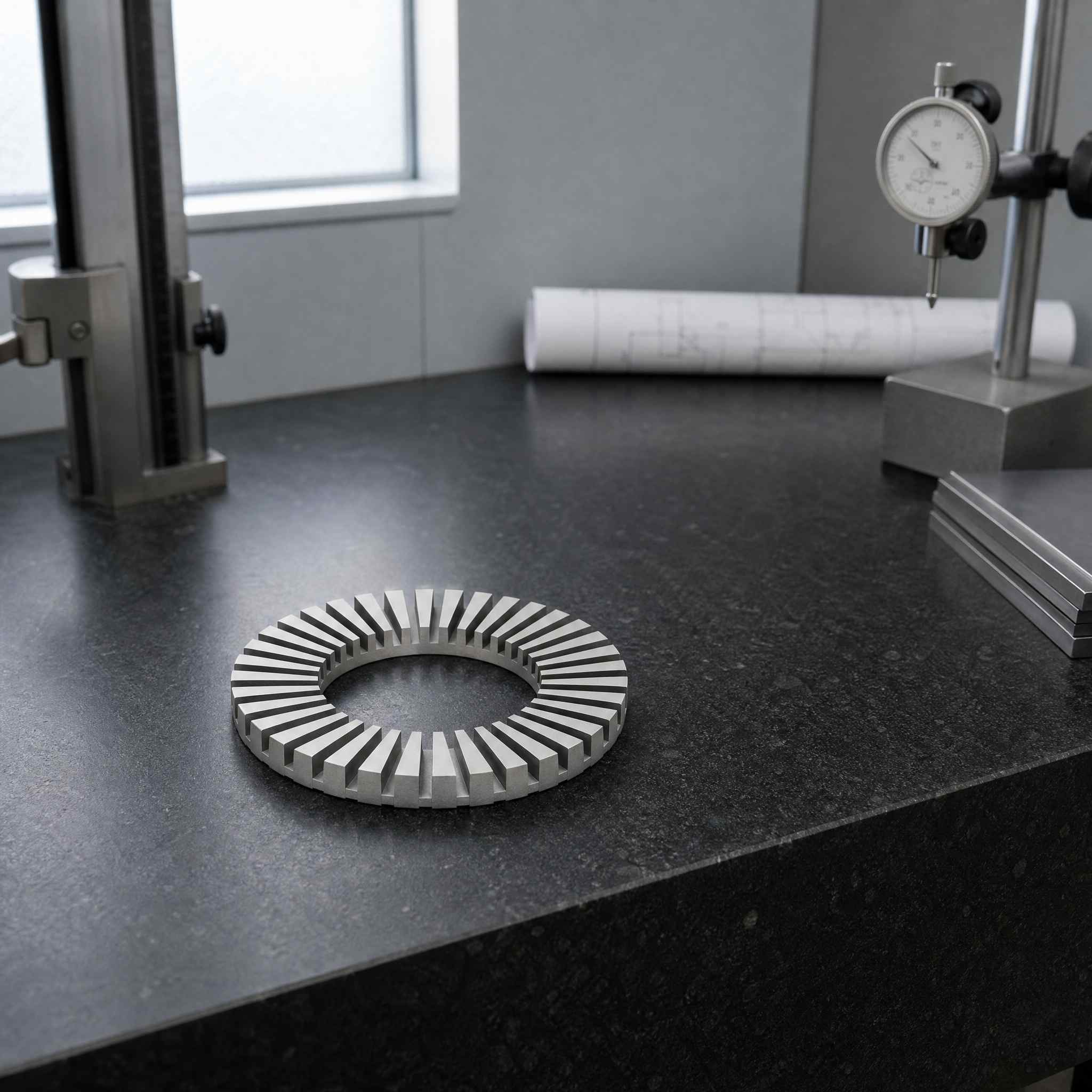
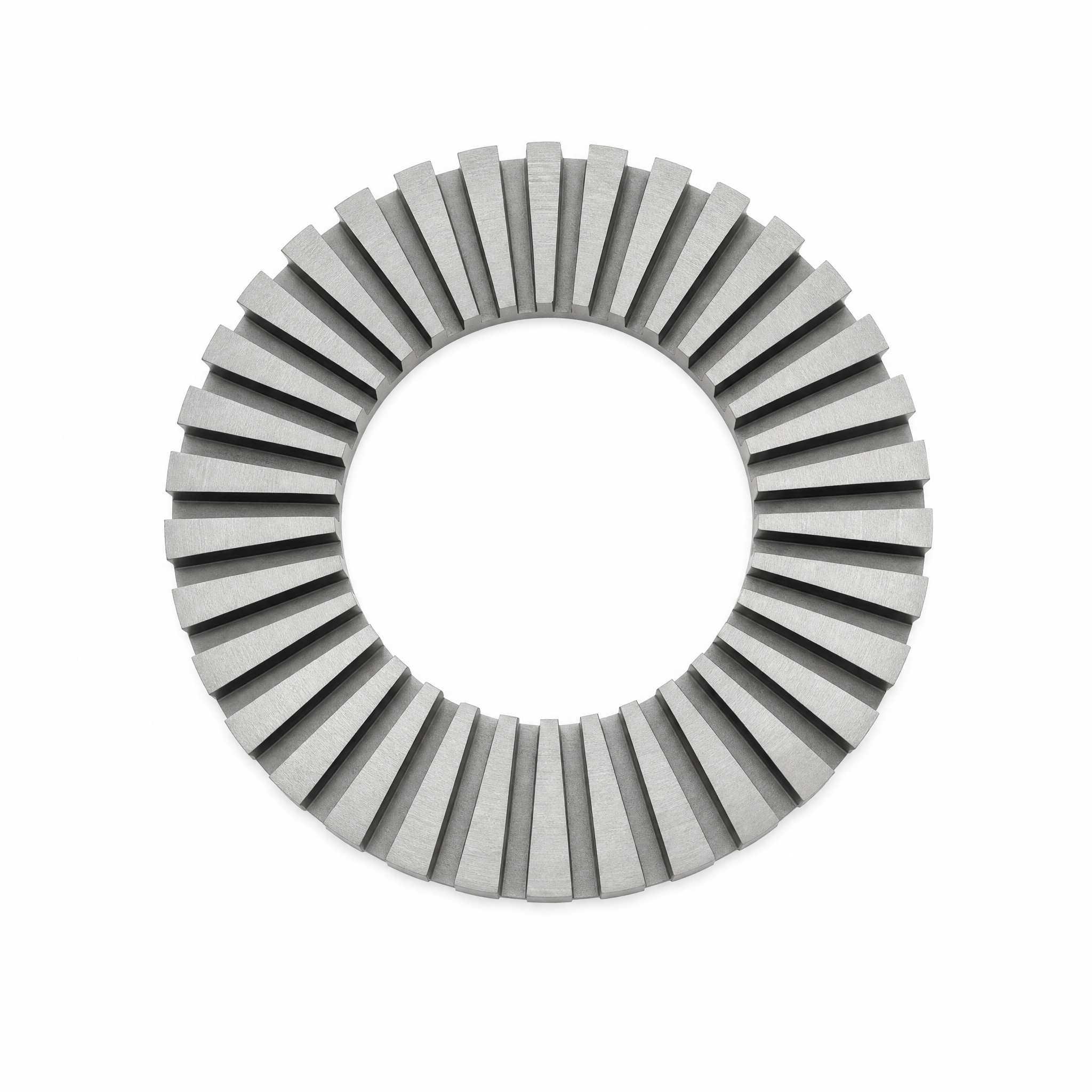
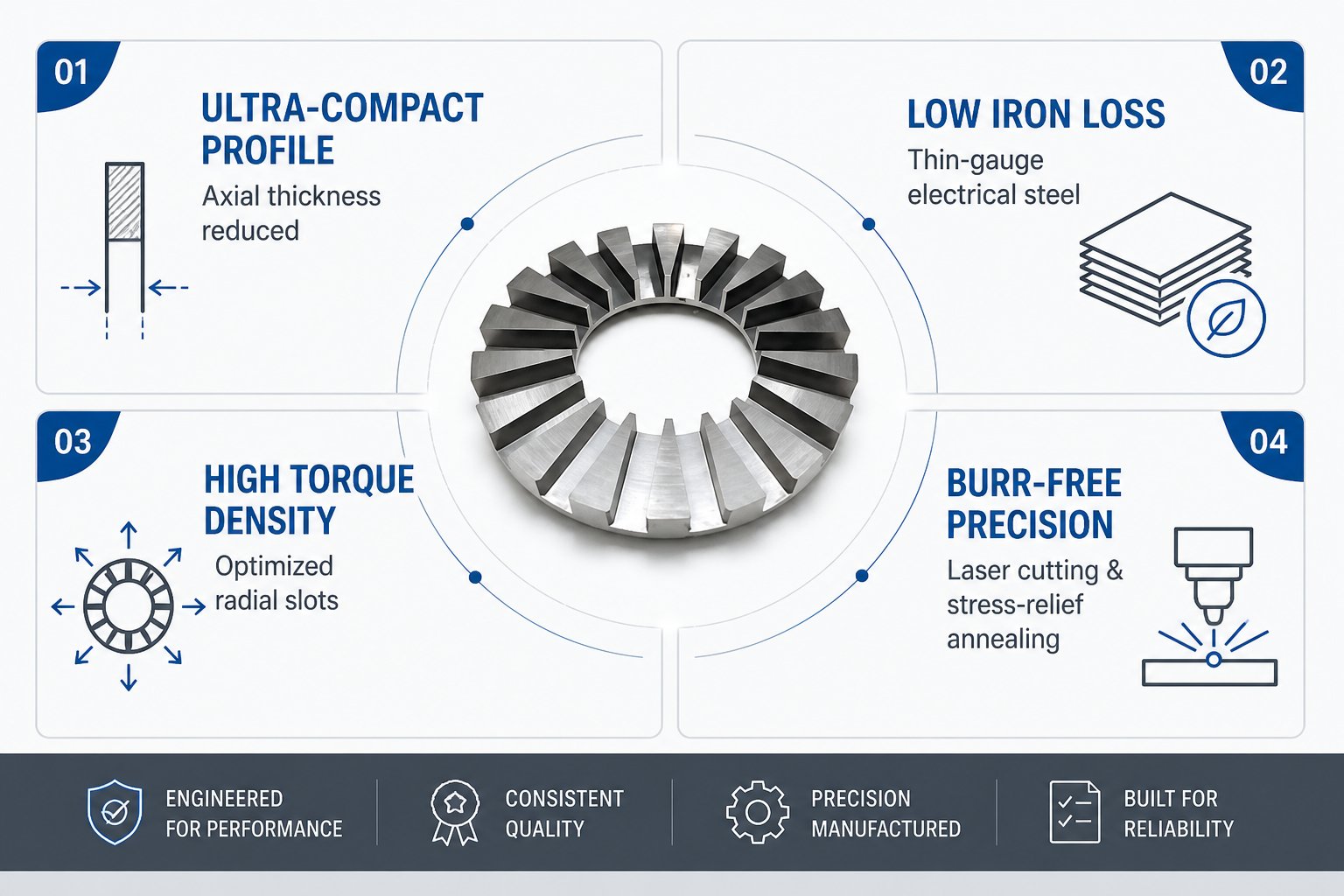
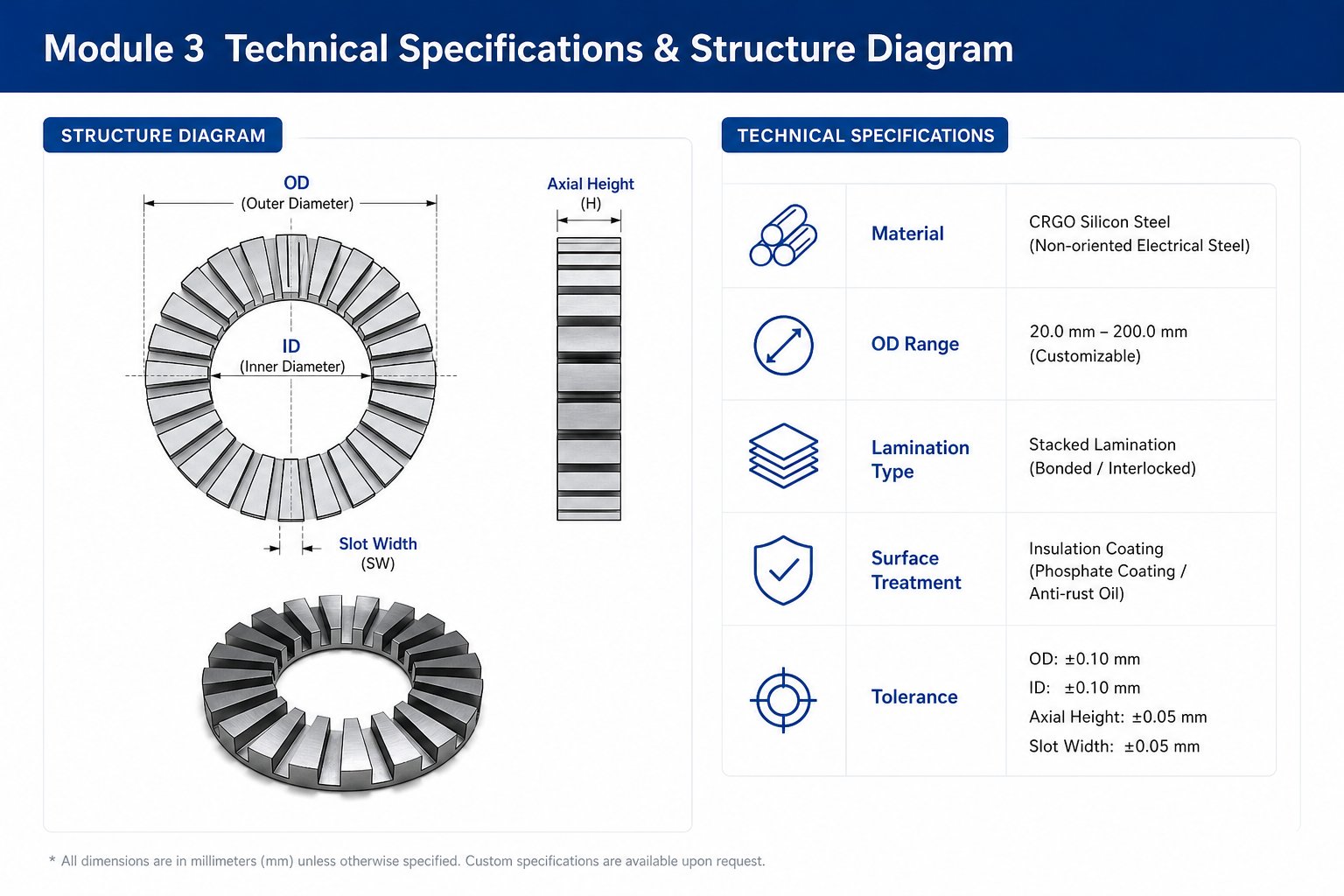
Custom wound axial flux stator cores specifically engineered for robotic joint actuators, humanoid robot joints, and precision servo motors. Manufactured from thin-gauge electrical steel (0.10mm–0.35mm) with high-precision laser-formed radial slots, delivering ultra-compact axial thickness, high torque density, and zero stamping tooling costs for rapid prototyping and volume production..
Product Origin :
CHINAShipping Port :
NANSHA/SHEKOU/SHANGHAI/NINGBOPayment :
TT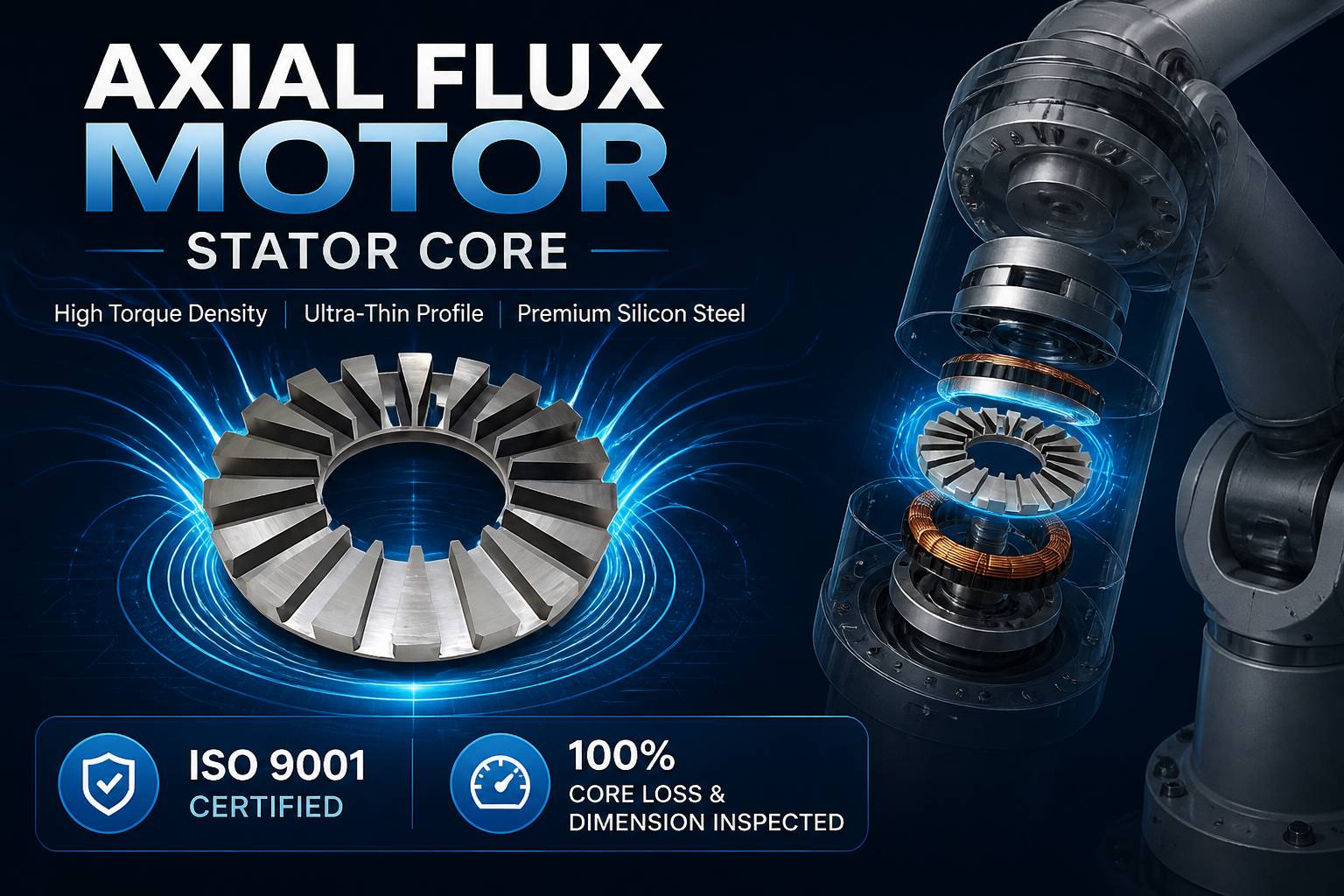
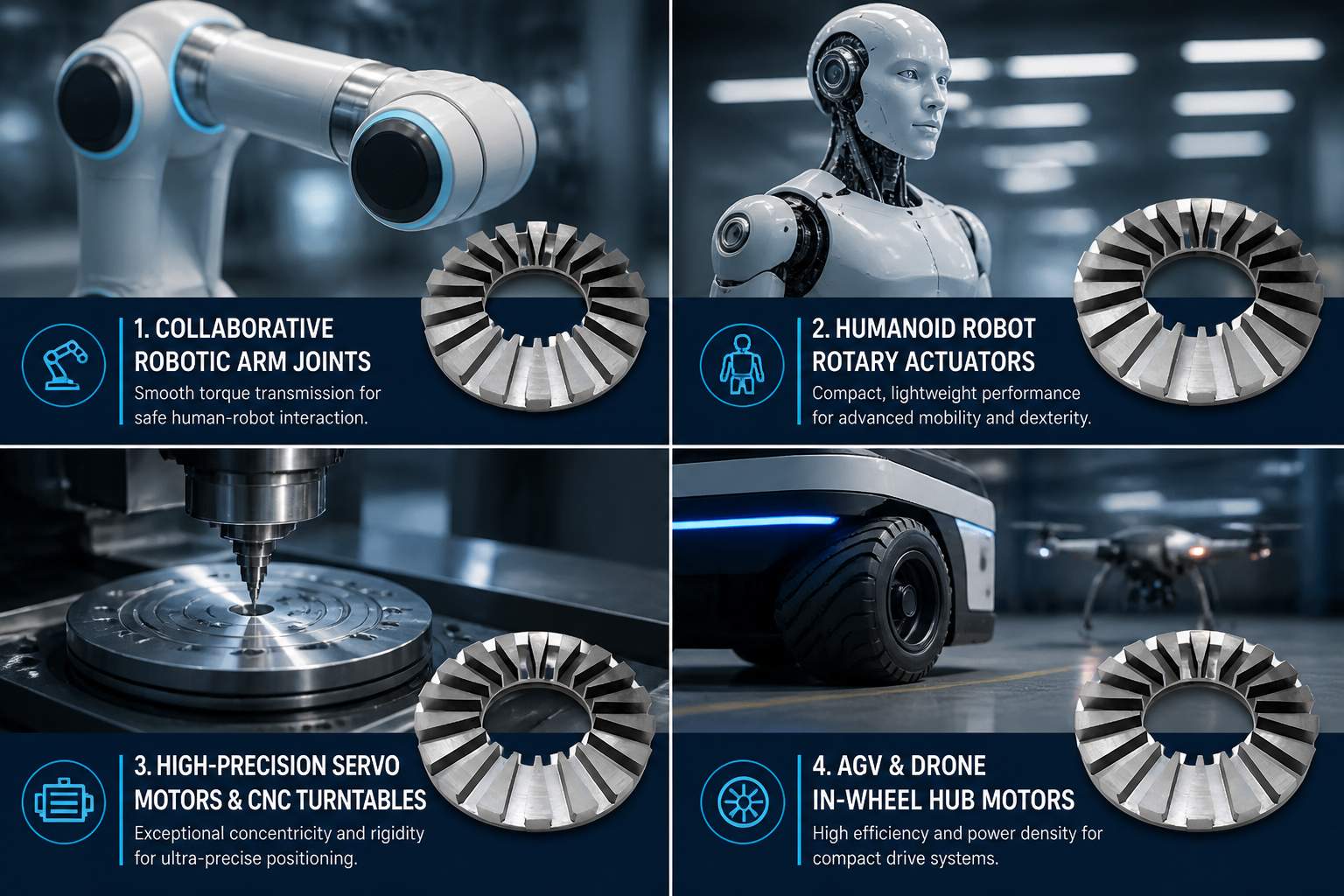
Our custom wound axial flux cores are engineered to meet stringent thermal, dimensional, and magnetic demands across specialized motion control fields:
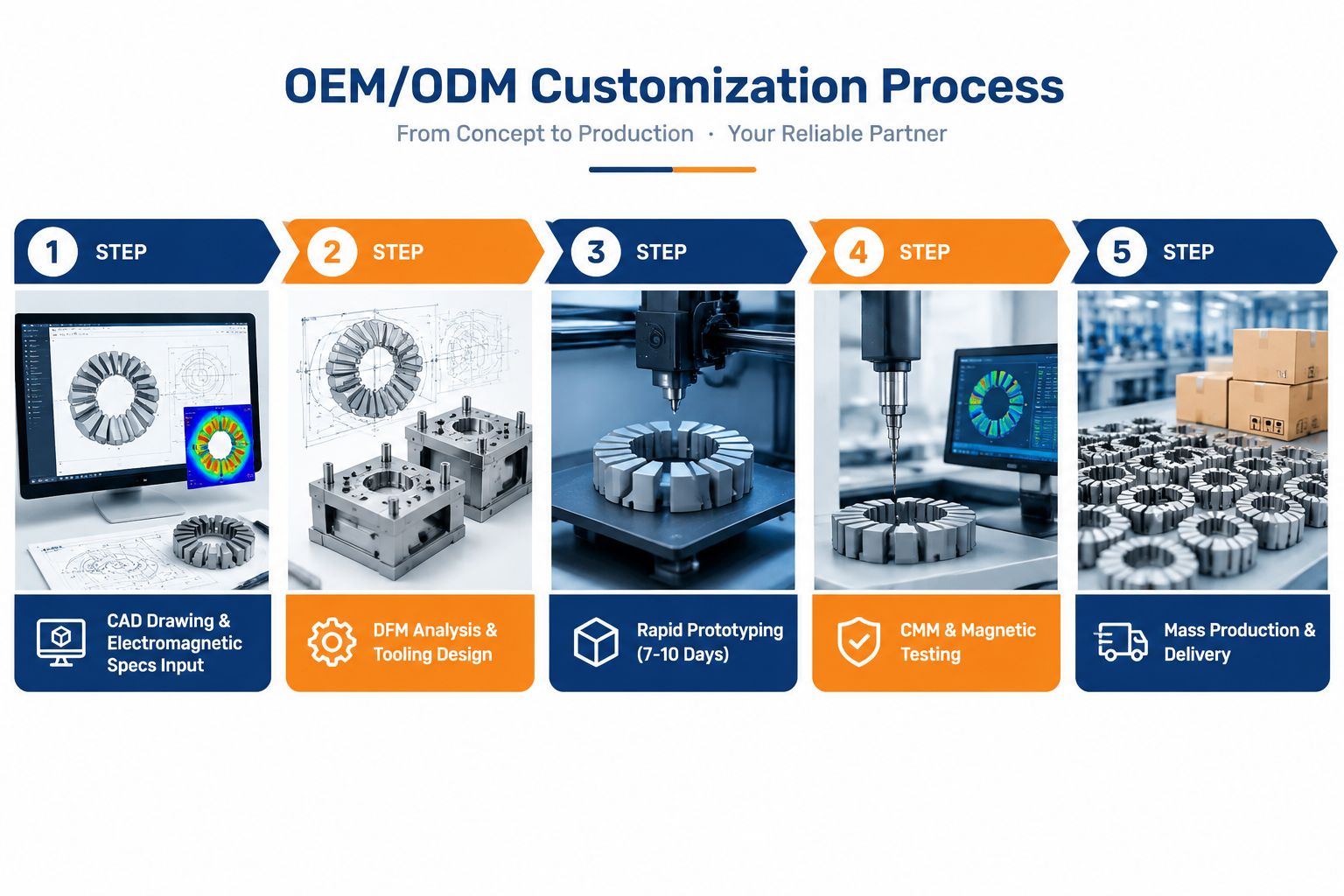
We specialize in rapid custom manufacturing tailored to your exact motor electromagnetic design:
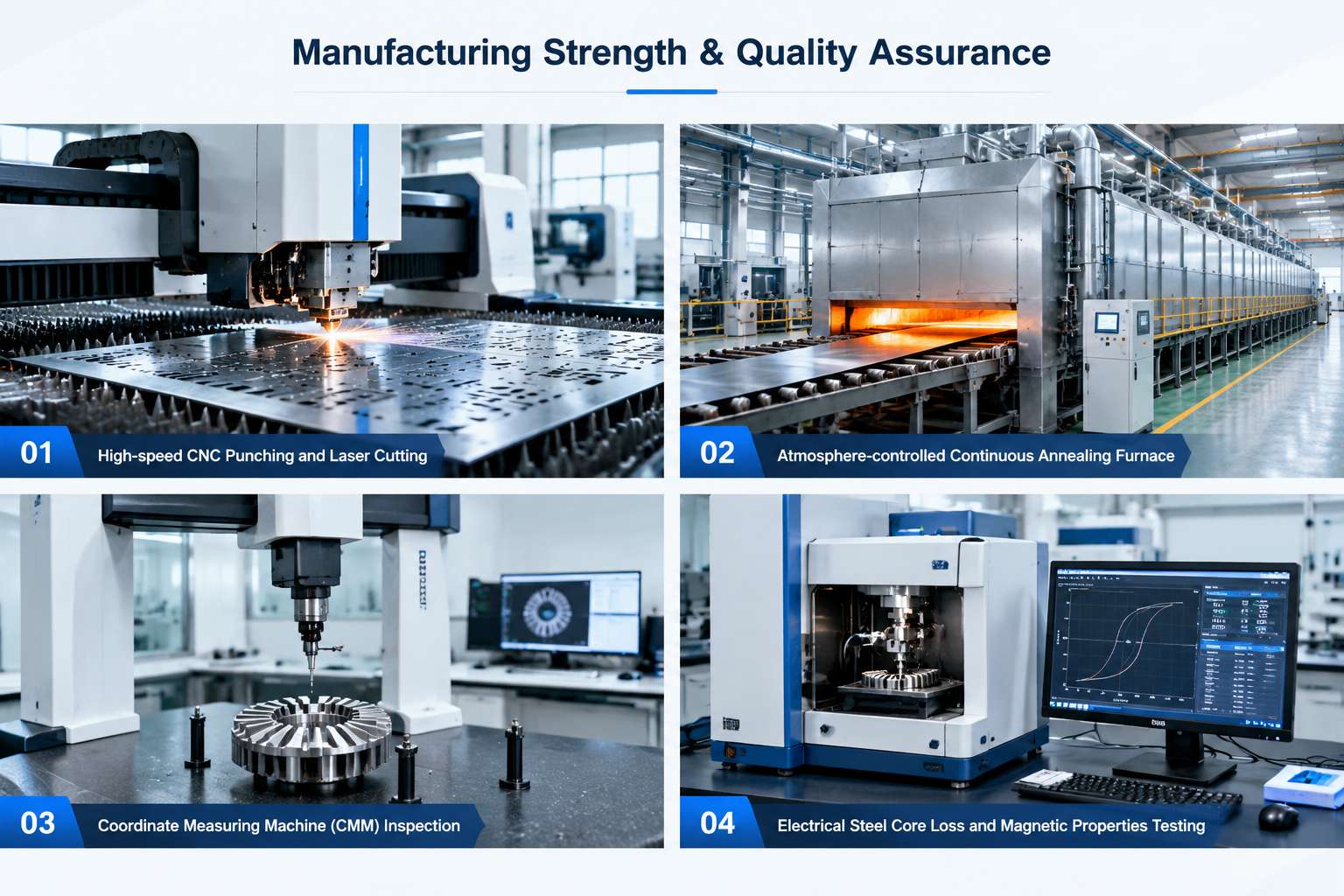
Shunge Steel ensures exceptional magnetic and mechanical reliability through stringent in-house quality control:
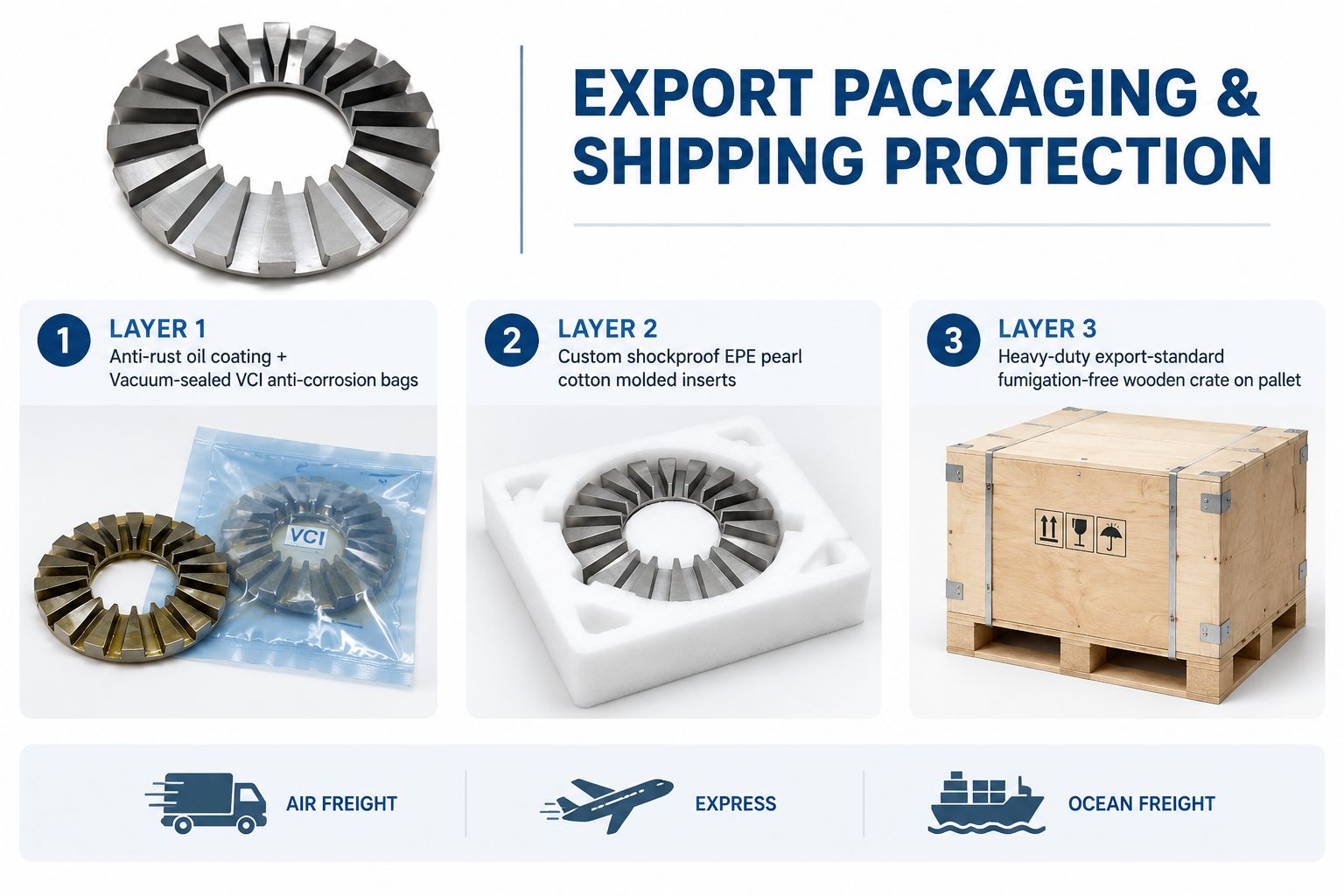
Cores are packaged to ensure zero rust, geometry protection, and slot edge preservation during long-distance international transit:
Q1: Why choose an axial flux stator core over a radial flux core for robot joint motors?
A: Axial flux motors deliver significantly higher torque density and a much shorter axial length (pancake form factor). This allows the motor to be integrated directly inside compact robot joint actuators without adding unnecessary overhang or inertia.
Q2: Can you customize the slot number and dimensions according to our motor CAD drawing?
A: Yes. All our axial flux stator cores are 100% custom-built. Because slots are formed via high-precision CNC laser cutting rather than progressive stamping dies, we can produce any custom slot geometry, diameter, or skew angle directly from your STEP or DWG files.
Q3: What electrical steel thickness is recommended for high-speed robotic servo actuators?
A: For high operating frequencies (e.g., above 400 Hz), we recommend thin-gauge electrical steel (0.10 mm to 0.20 mm) to minimize high-frequency eddy current losses and thermal rise. For standard frequencies, 0.27 mm or 0.35 mm is highly cost-effective.
Q4: How do you prevent inter-layer short circuits during laser slot cutting?
A: We utilize optimized high-speed laser cutting optics and inert assist gas parameters to ensure smooth, burr-free edges. Furthermore, post-process deburring and insulating coatings maintain layer-to-layer insulation resistance.
Q5: What is the typical lead time for prototype samples?
A: Since no stamping tooling is required, prototype stator cores are typically manufactured and dispatched within 7 to 12 working days upon CAD drawing confirmation.

Custom wound axial flux stator cores specifically engineered for robotic joint actuators, humanoid robot joints, and precision servo motors. Manufactured from thin-gauge electrical steel (0.10mm–0.35mm) with high-precision laser-formed radial slots, delivering ultra-compact axial thickness, high torque density, and zero stamping tooling costs for rapid prototyping and volume production..
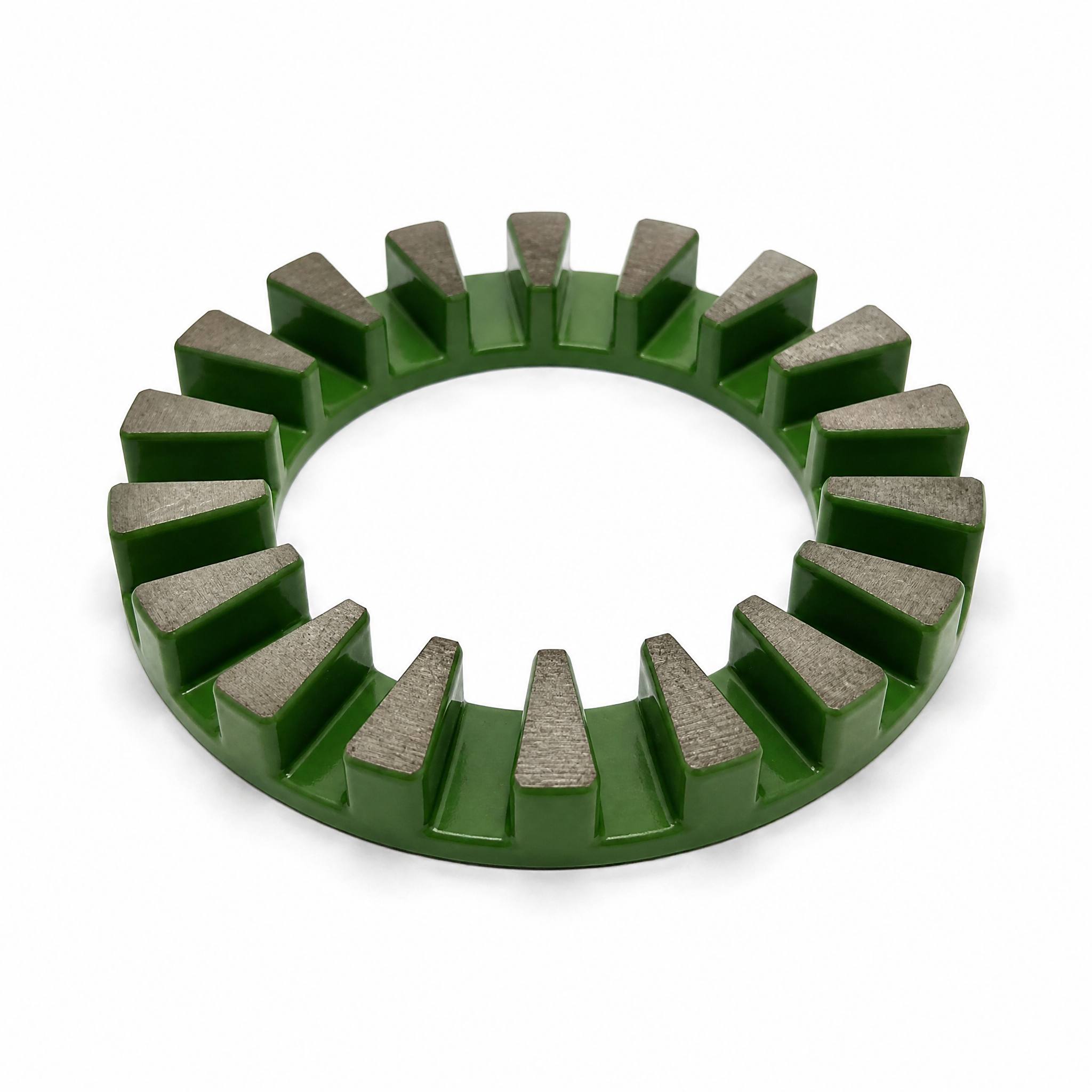
Custom wound axial flux stator cores specifically engineered for robotic joint actuators, humanoid robot joints, and precision servo motors. Manufactured from thin-gauge electrical steel (0.10mm–0.35mm) with high-precision laser-formed radial slots, delivering ultra-compact axial thickness, high torque density, and zero stamping tooling costs for rapid prototyping and volume production..
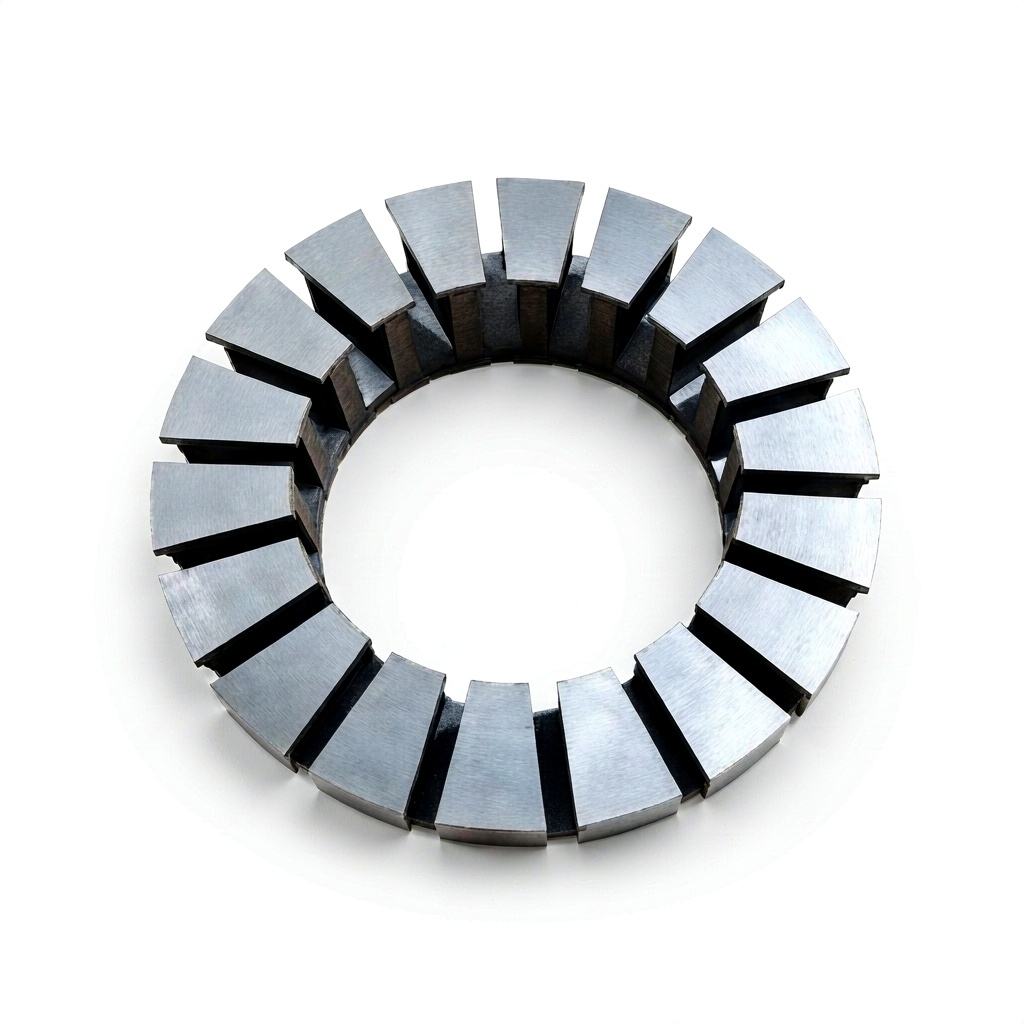
Custom wound axial flux stator cores specifically engineered for robotic joint actuators, humanoid robot joints, and precision servo motors. Manufactured from thin-gauge electrical steel (0.10mm–0.35mm) with high-precision laser-formed radial slots, delivering ultra-compact axial thickness, high torque density, and zero stamping tooling costs for rapid prototyping and volume production..
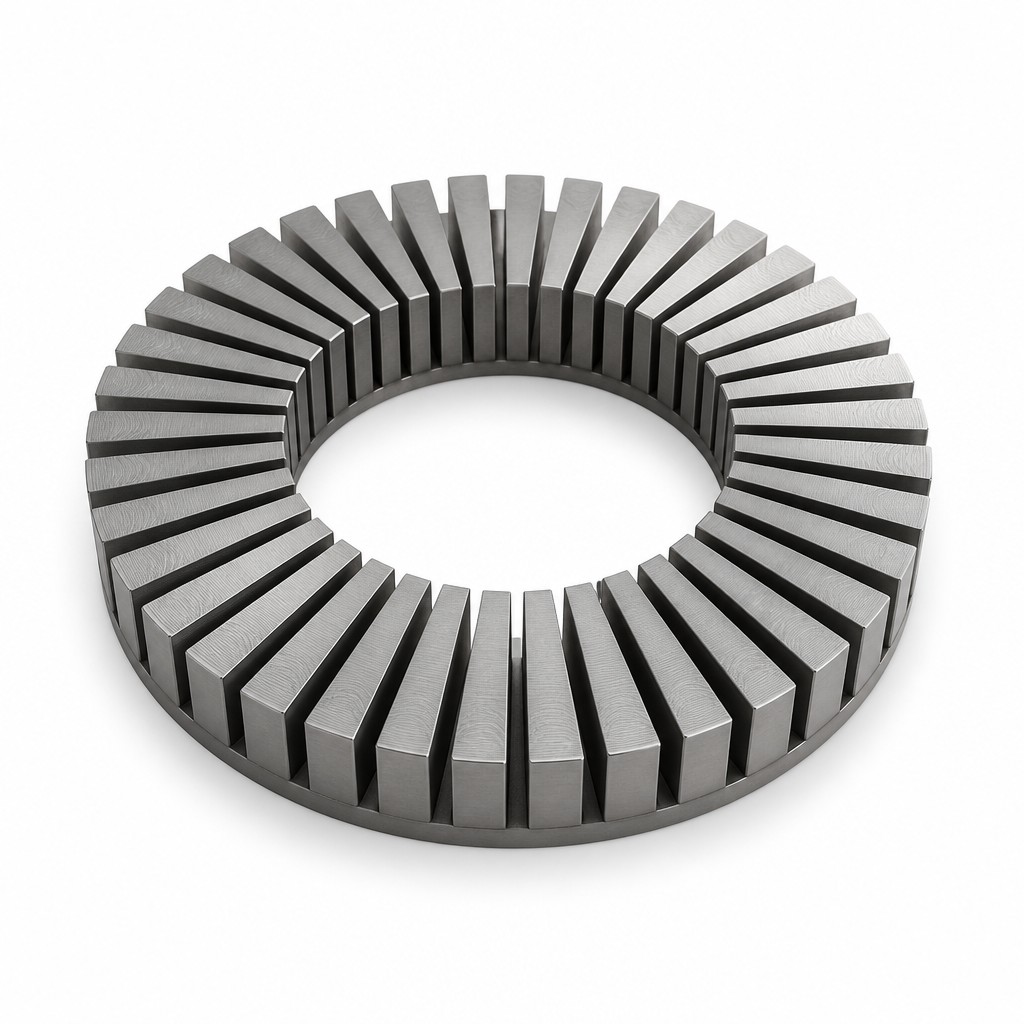
Custom wound axial flux stator cores specifically engineered for robotic joint actuators, humanoid robot joints, and precision servo motors. Manufactured from thin-gauge electrical steel (0.10mm–0.35mm) with high-precision laser-formed radial slots, delivering ultra-compact axial thickness, high torque density, and zero stamping tooling costs for rapid prototyping and volume production..
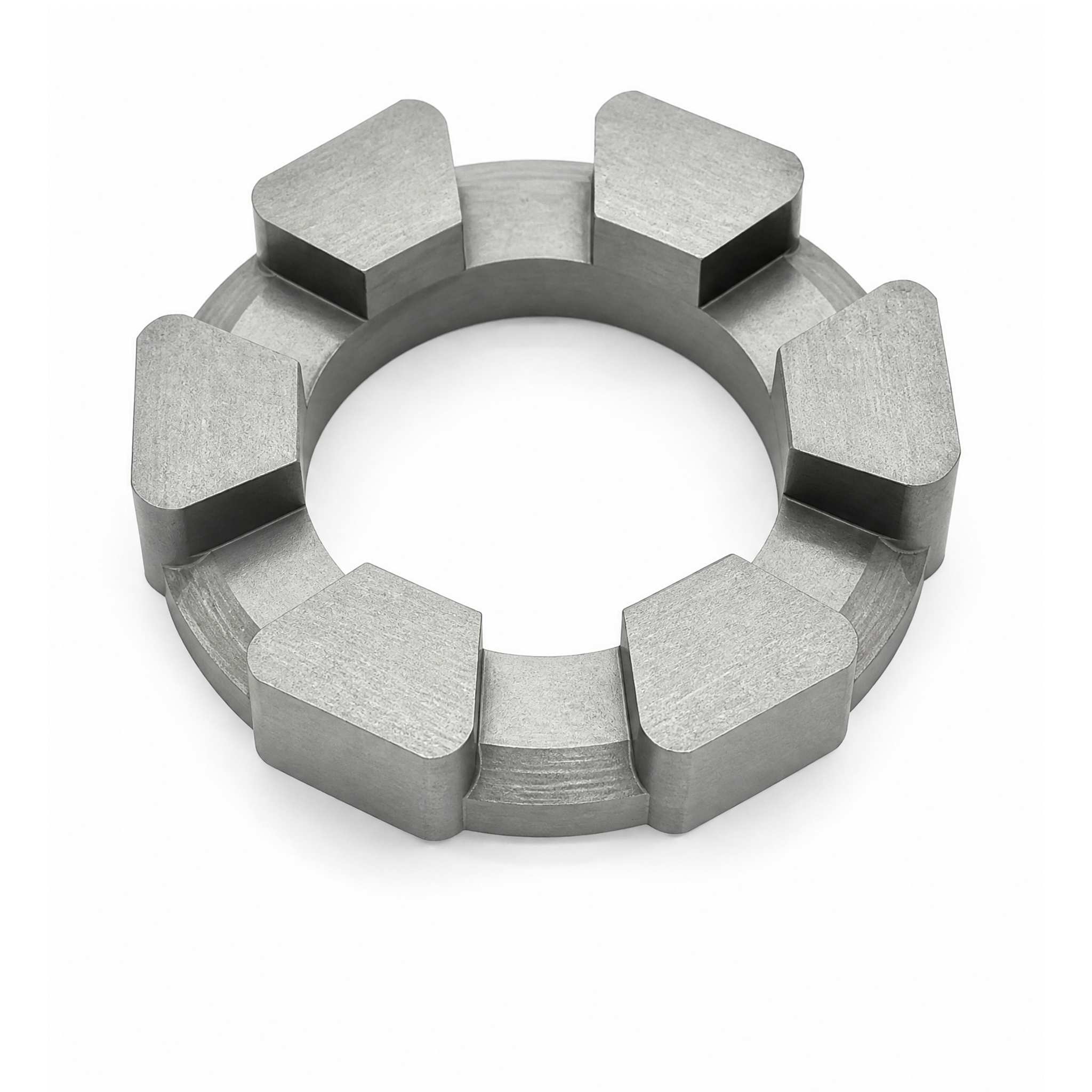
Custom wound axial flux stator cores specifically engineered for robotic joint actuators, humanoid robot joints, and precision servo motors. Manufactured from thin-gauge electrical steel (0.10mm–0.35mm) with high-precision laser-formed radial slots, delivering ultra-compact axial thickness, high torque density, and zero stamping tooling costs for rapid prototyping and volume production..
Custom wound axial flux stator cores specifically engineered for robotic joint actuators, humanoid robot joints, and precision servo motors. Manufactured from thin-gauge electrical steel (0.10mm–0.35mm) with high-precision laser-formed radial slots, delivering ultra-compact axial thickness, high torque density, and zero stamping tooling costs for rapid prototyping and volume production..
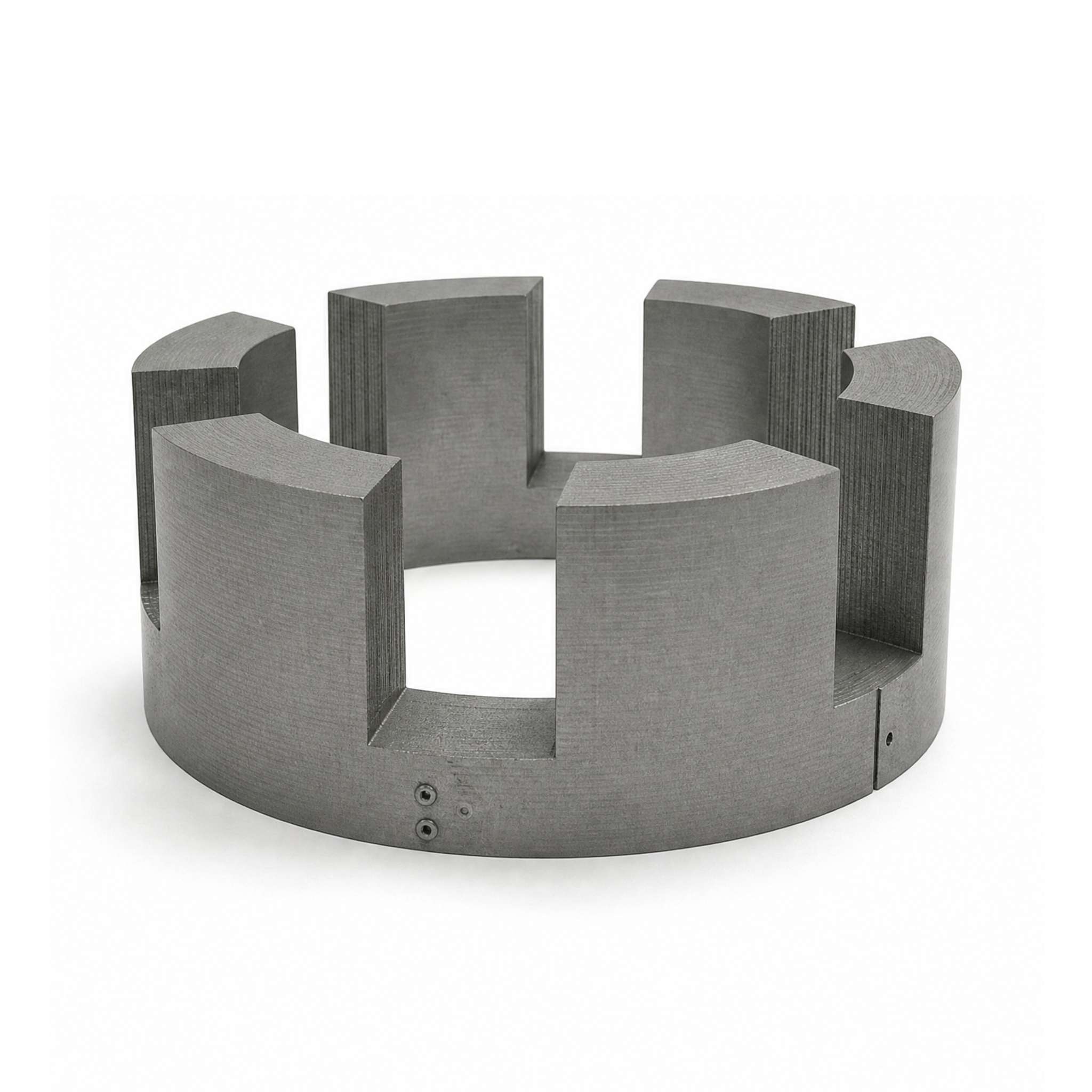
Custom wound axial flux stator cores specifically engineered for robotic joint actuators, humanoid robot joints, and precision servo motors. Manufactured from thin-gauge electrical steel (0.10mm–0.35mm) with high-precision laser-formed radial slots, delivering ultra-compact axial thickness, high torque density, and zero stamping tooling costs for rapid prototyping and volume production..
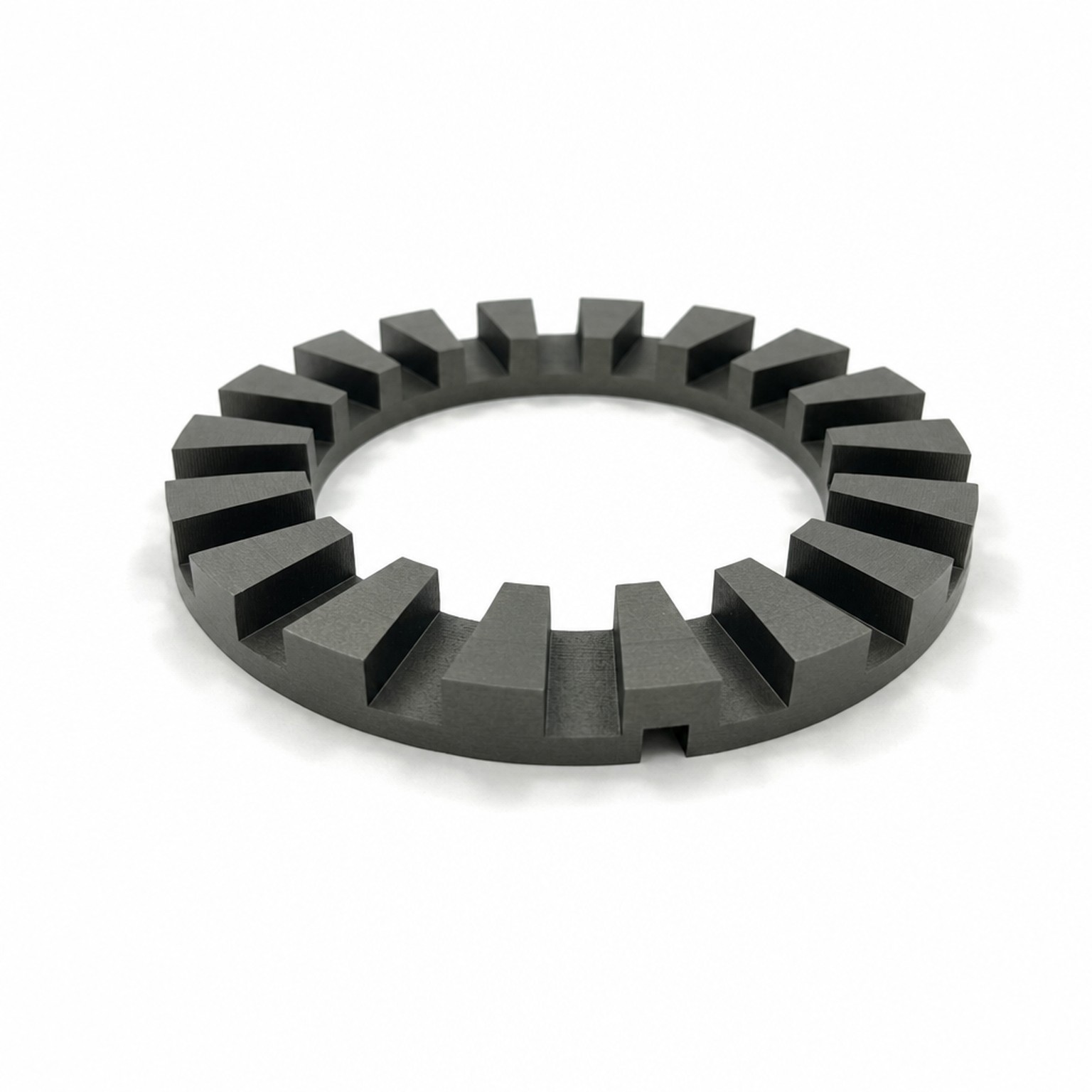
Custom wound axial flux stator cores specifically engineered for robotic joint actuators, humanoid robot joints, and precision servo motors. Manufactured from thin-gauge electrical steel (0.10mm–0.35mm) with high-precision laser-formed radial slots, delivering ultra-compact axial thickness, high torque density, and zero stamping tooling costs for rapid prototyping and volume production..
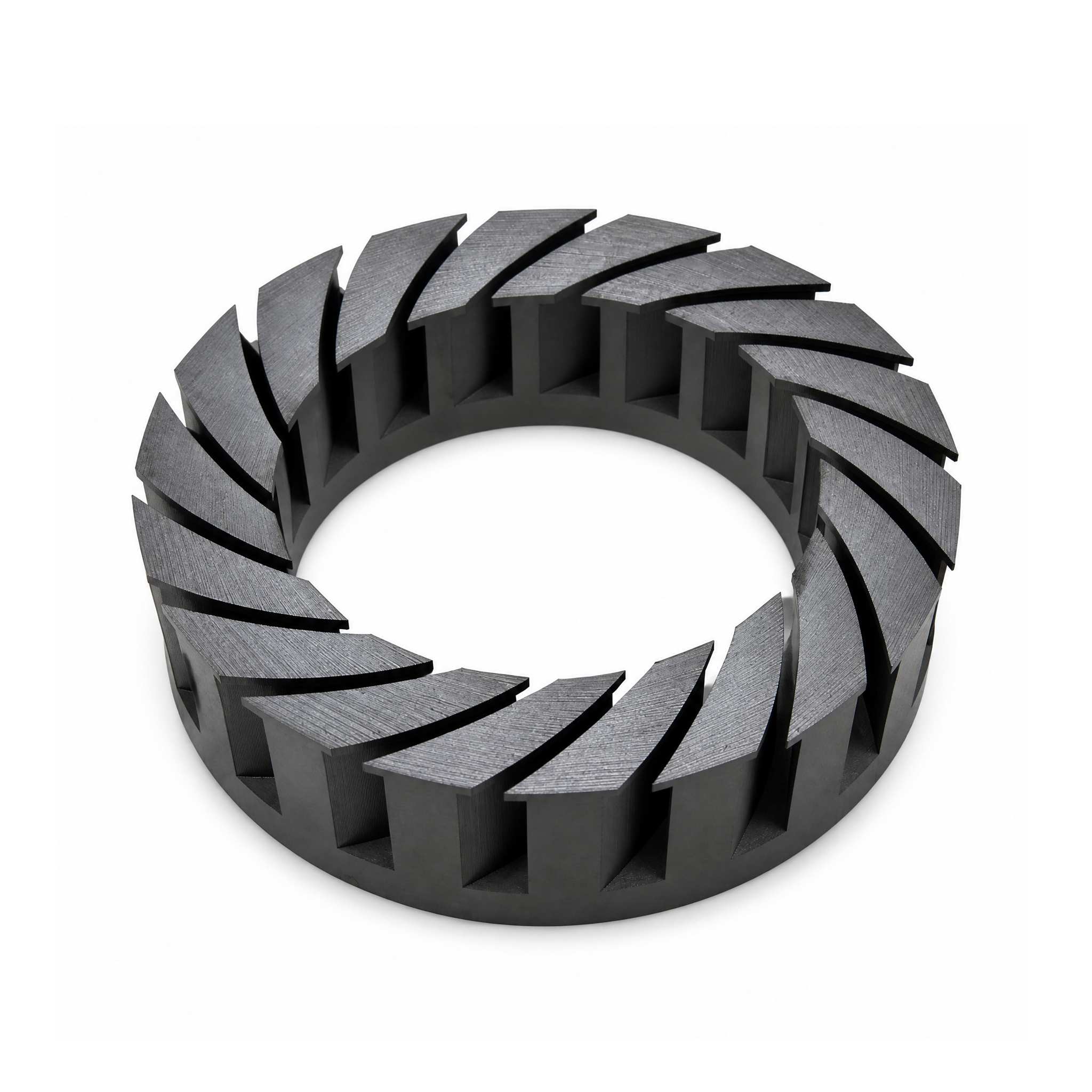
Custom wound axial flux stator cores specifically engineered for robotic joint actuators, humanoid robot joints, and precision servo motors. Manufactured from thin-gauge electrical steel (0.10mm–0.35mm) with high-precision laser-formed radial slots, delivering ultra-compact axial thickness, high torque density, and zero stamping tooling costs for rapid prototyping and volume production..
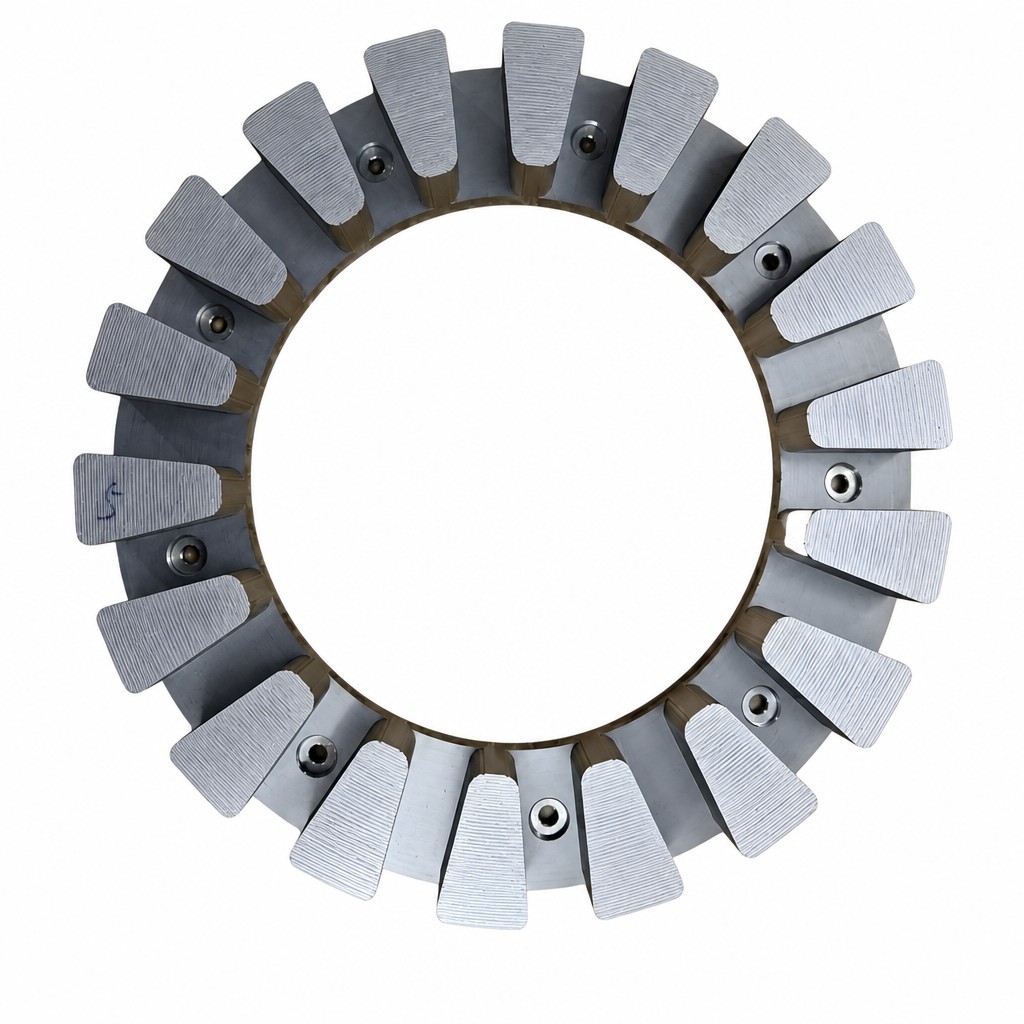
Custom wound axial flux stator cores specifically engineered for robotic joint actuators, humanoid robot joints, and precision servo motors. Manufactured from thin-gauge electrical steel (0.10mm–0.35mm) with high-precision laser-formed radial slots, delivering ultra-compact axial thickness, high torque density, and zero stamping tooling costs for rapid prototyping and volume production..
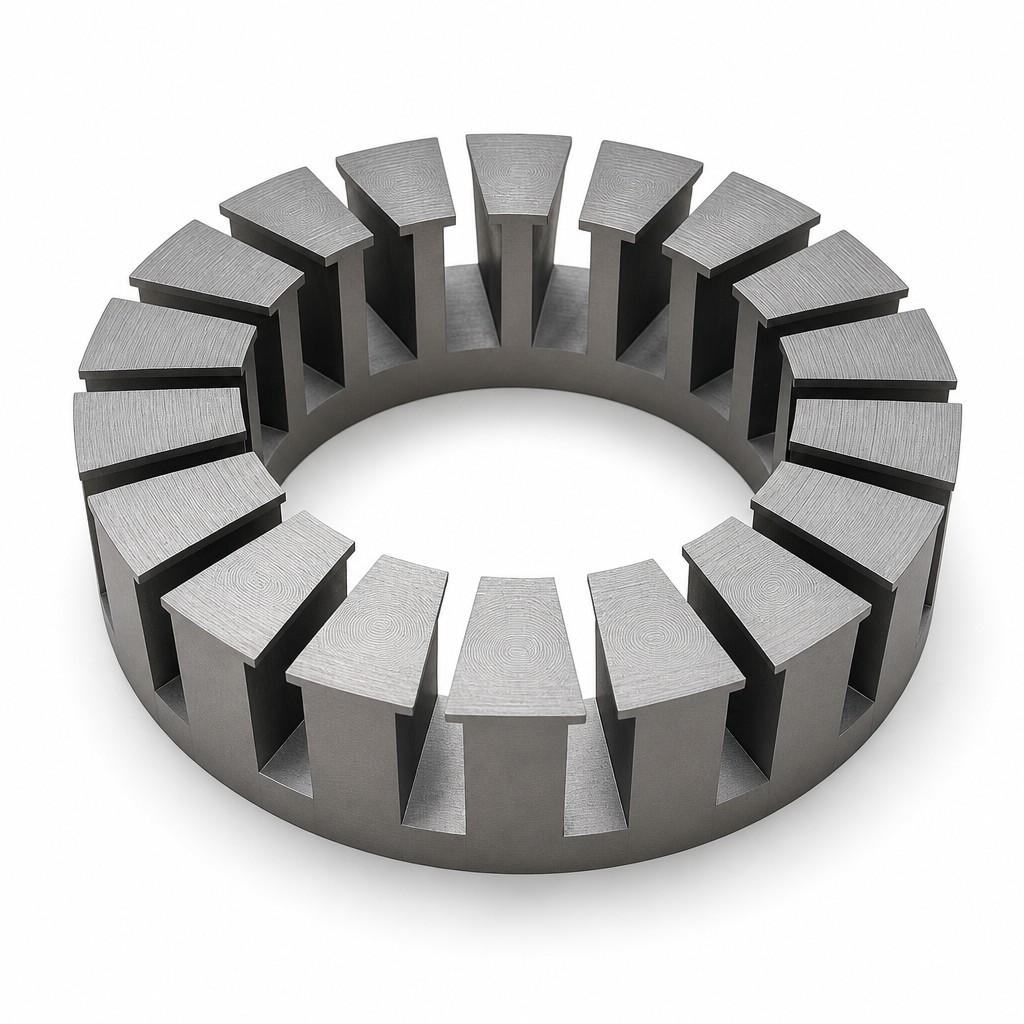
Custom wound axial flux stator cores specifically engineered for robotic joint actuators, humanoid robot joints, and precision servo motors. Manufactured from thin-gauge electrical steel (0.10mm–0.35mm) with high-precision laser-formed radial slots, delivering ultra-compact axial thickness, high torque density, and zero stamping tooling costs for rapid prototyping and volume production..

Address : Room 201, West Building A, Dawei Logistics, Xihai Industrial Zone, Lecong Town, Shunde District, Foshan City
You may unsubscribe at any moment. For that purpose, please find our contact info in the legal notice.


 IPv6 network supported
We will contact you as soon as possible
Hi! Click one of our members below to chat on