
 en
en fr
fr es
es
1. Key characteristics of ASTM standard silicon steel coils
In the field of power transmission and conversion, silicon steel coils, as an indispensable soft magnetic material, directly determine the energy efficiency of electrical equipment such as transformers and motors. Among them, silicon steel coils conforming to ASTM standards, with their superior magnetic and mechanical properties, have become the preferred material for the manufacture of high-end electrical equipment worldwide. With the advancement of energy conservation and emission reduction policies in various countries, especially the "dual-carbon" target leading to energy transformation, the quality requirements for silicon steel coils are becoming increasingly stringent. ASTM standards, as internationally recognized specifications, provide authoritative technical guidance for the production and application of silicon steel coils. ASTM standards cover the technical requirements for non-oriented silicon steel coils, a material with low carbon content (typically below 0.020%) and a specific silicon-aluminum-iron alloy composition. The silicon content is controlled between 0.50% and 3.20%, effectively reducing eddy current losses by increasing resistivity. Silicon steel coils conforming to ASTM standards have the characteristics of low iron loss and high magnetic permeability.
2. Strict production and testing processes ensure consistent quality.
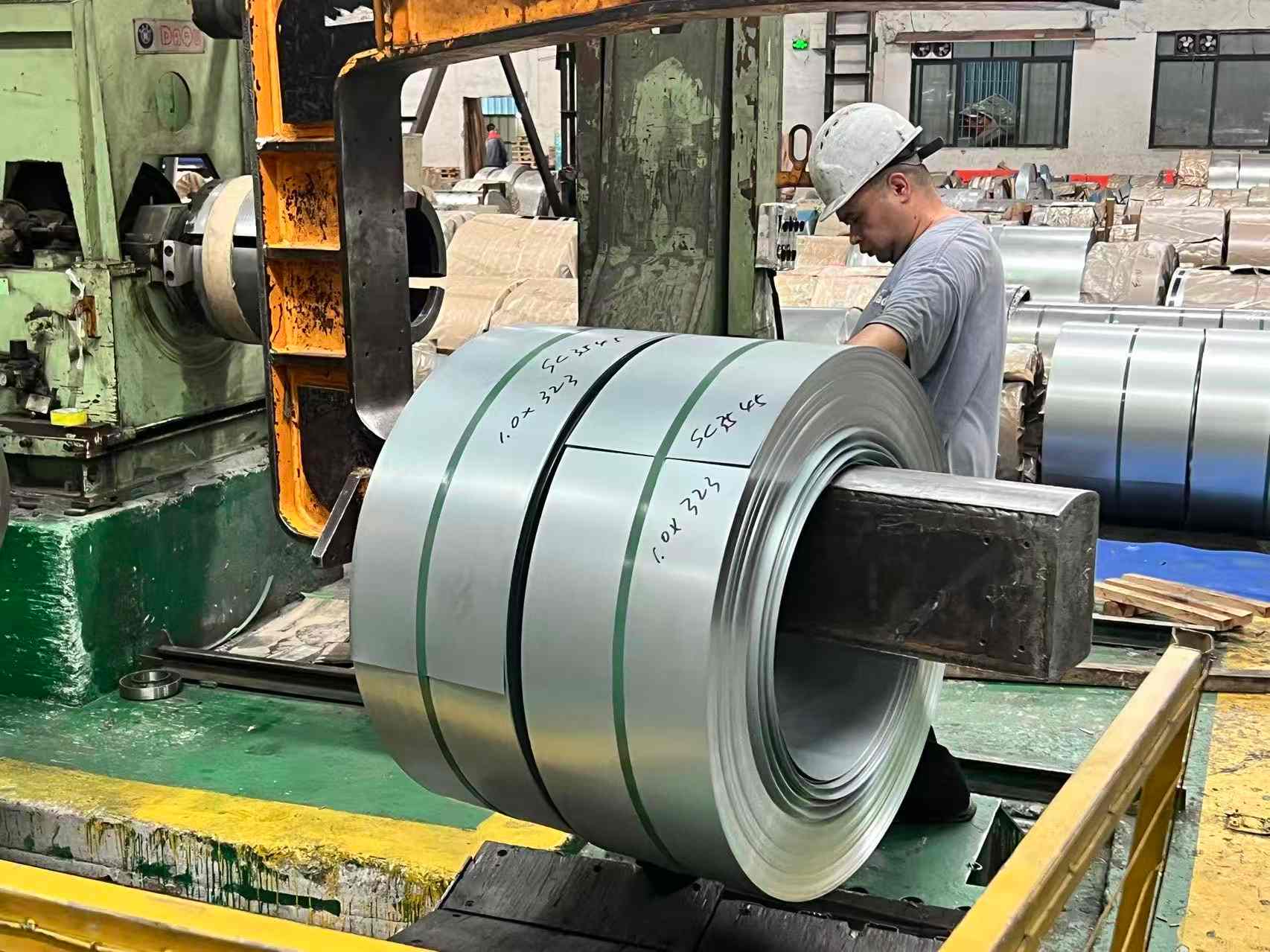
The production process of ASTM standard silicon steel coils strictly adheres to specifications, requiring precise control at every stage from smelting and hot rolling to cold rolling annealing. The annealing process, in particular, effectively eliminates internal stress and optimizes grain structure, thereby improving magnetic properties. Quality control employs precision instruments such as Epstein square rings and monolithic magnetometers to measure iron loss and magnetization curves. Insulation coating testing is equally important; interlayer resistance meters assess the coating's insulation performance to ensure compliance with ASTM standards. Coating thickness is typically controlled between 0.5 and 3.0 μm, with a surface resistivity of 5-50 Ω·cm², effectively preventing eddy current losses during laminated applications.
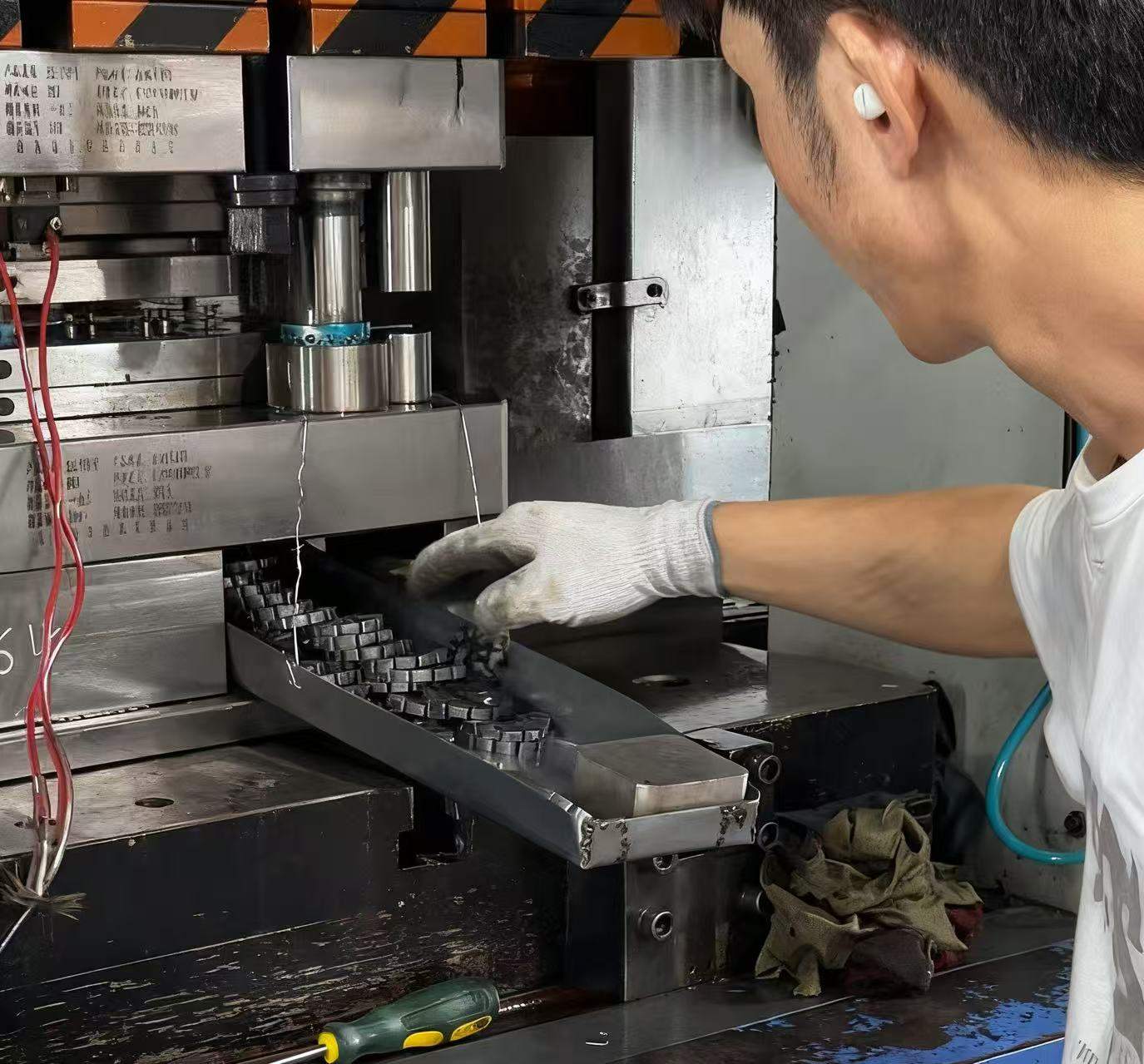
3. ASTM standard silicon steel coils are widely used in the power industry. In transformer manufacturing, especially small power transformers, their high magnetic flux density significantly reduces no-load losses and improves energy efficiency. In electric motor applications, the isotropic properties of non-oriented silicon steel coils are suitable for manufacturing stator and rotor cores. ASTM standard silicon steel coils are also widely used in new energy vehicle drive systems, solar inverters, and wind power generation equipment. Their high magnetic flux density and low iron loss characteristics perfectly meet the stringent requirements of high-efficiency energy conversion in the renewable energy sector. The home appliance industry also benefits from this; from air conditioner compressors to refrigerator motors, ASTM standard silicon steel coils help equipment achieve higher energy efficiency standards while reducing operating noise.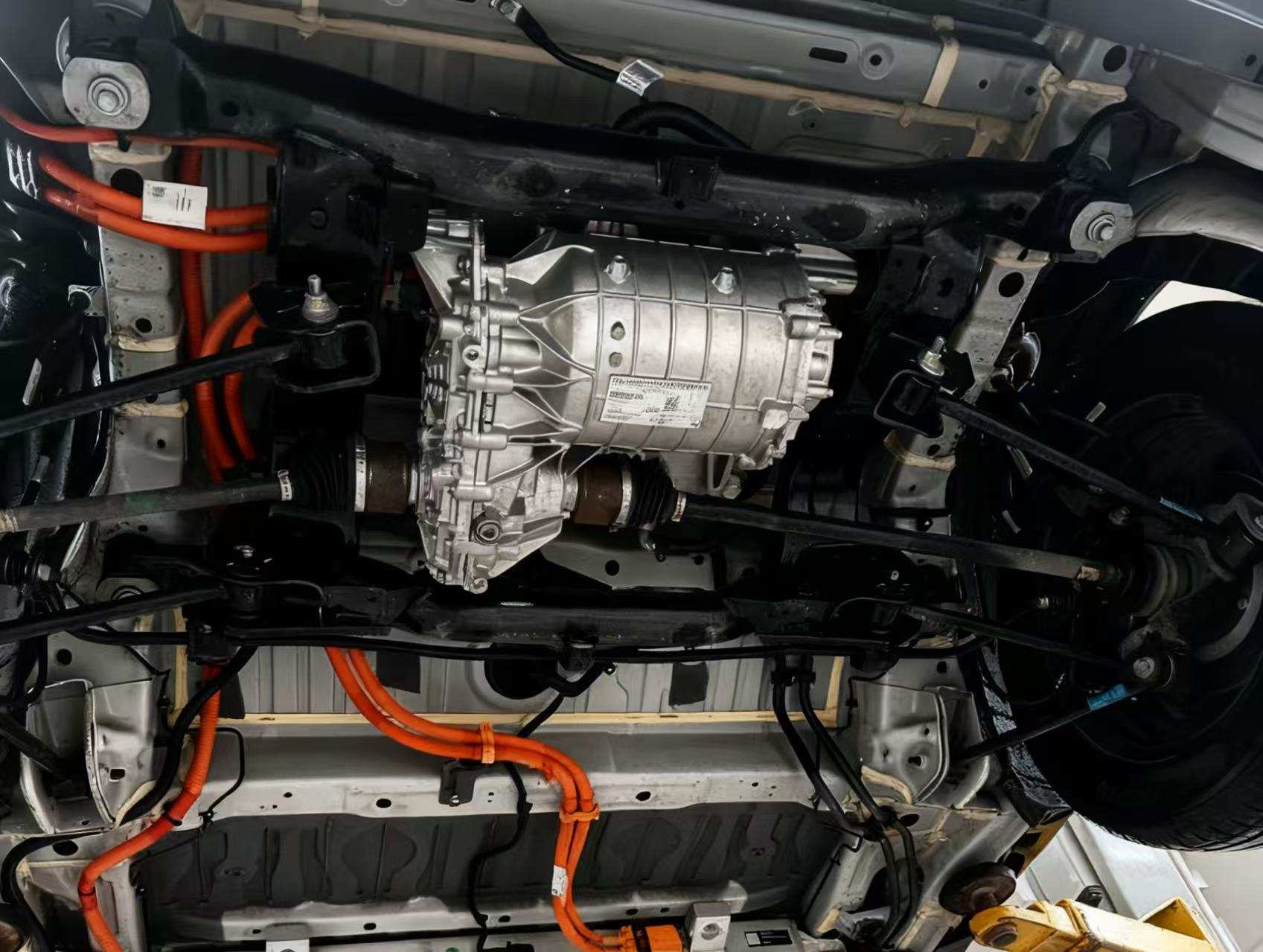

Address : Room 201, West Building A, Dawei Logistics, Xihai Industrial Zone, Lecong Town, Shunde District, Foshan City
You may unsubscribe at any moment. For that purpose, please find our contact info in the legal notice.


 IPv6 network supported
We will contact you as soon as possible
Hi! Click one of our members below to chat on