
 en
en fr
fr es
es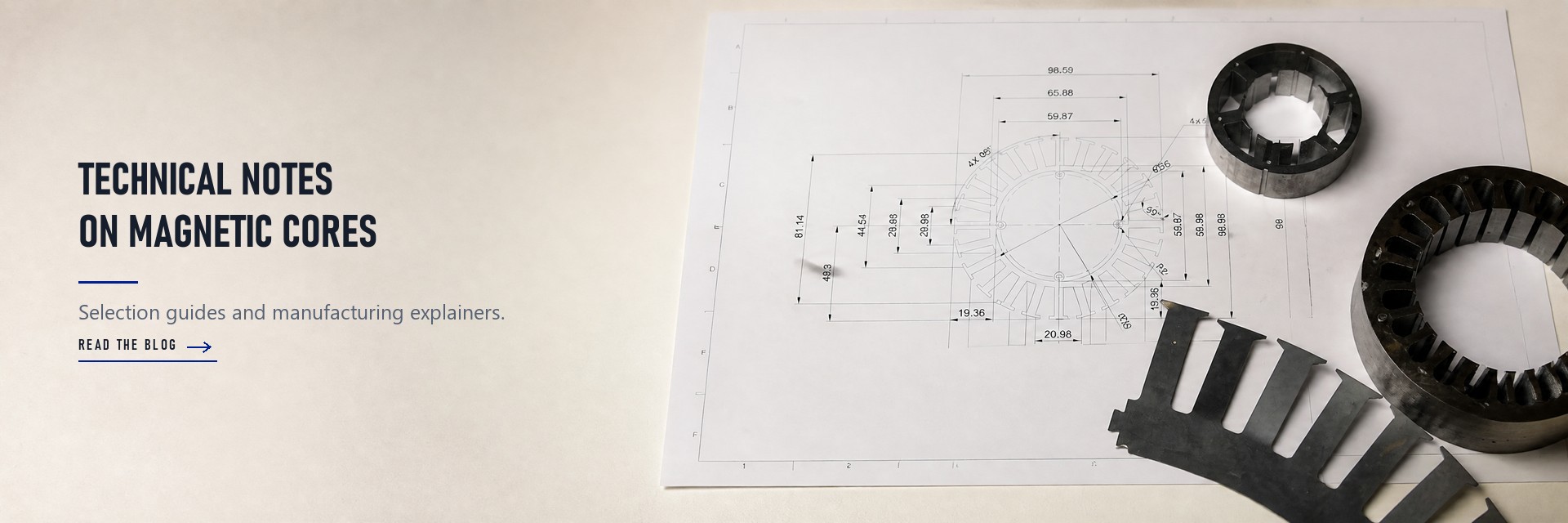
Non-oriented silicon steel with a thickness between 0.2 mm and 0.35 mm is a key material for core components of new energy vehicles, such as drive motors and on-board chargers, and directly affects the vehicle's power, economy, and reliability.
Why is silicon steel so crucial?
New energy vehicle drive motors strive for miniaturization, high efficiency, and high power density. This places extremely high demands on their "heart" material—silicon steel.
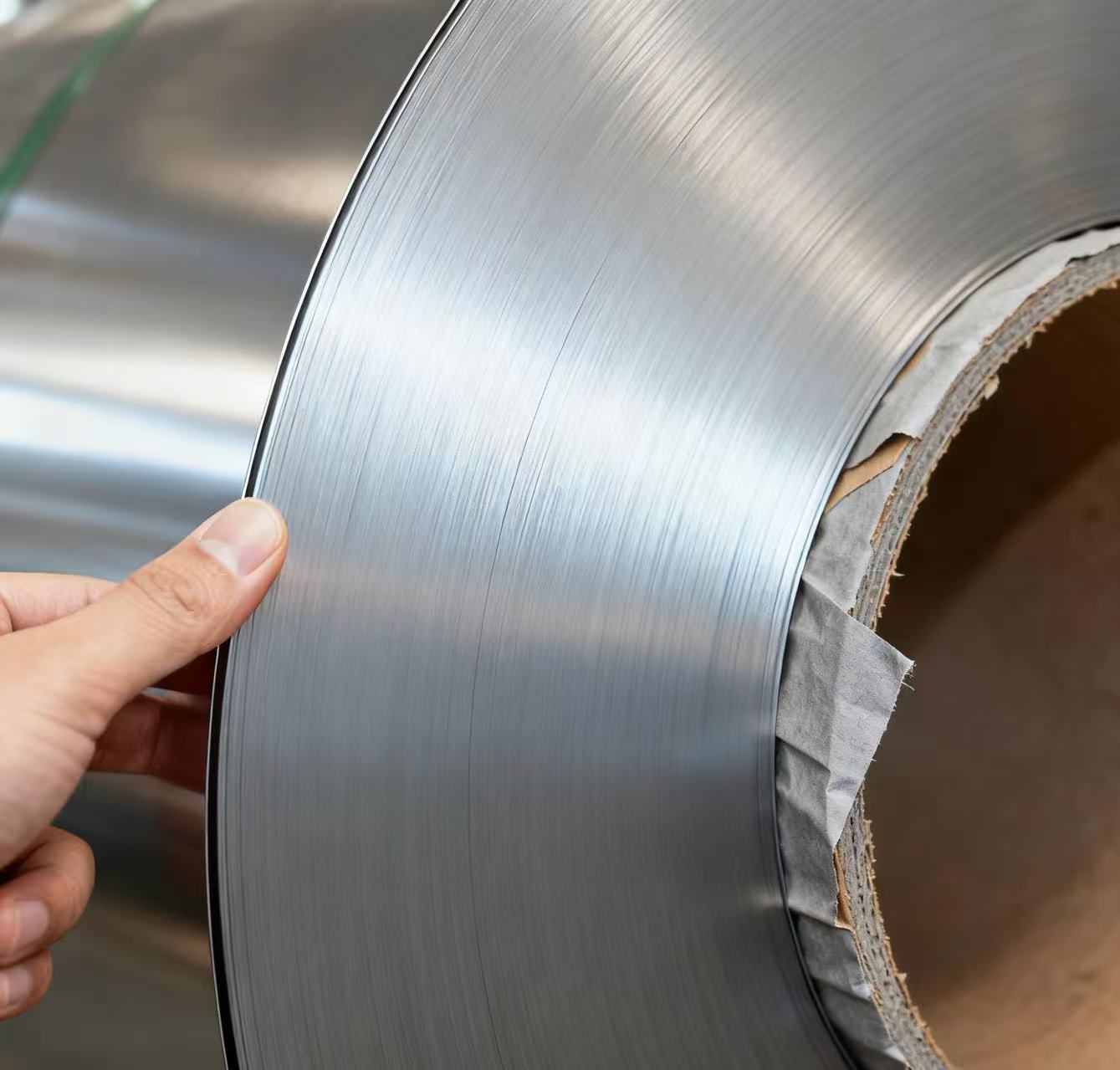
High frequency and low loss: When the motor rotates at high speed (up to tens of thousands of revolutions per minute), the internal magnetic field changes at a very high frequency (400-1500Hz). The thinner the silicon steel sheet, the lower the eddy current loss, the higher the motor efficiency, and the more guaranteed the driving range. Studies have shown that compared to 0.35mm silicon steel, motors using 0.30mm silicon steel can increase the high-efficiency area by more than 20%.
High magnetic flux density: High magnetic flux density means that the motor can generate a stronger magnetic field under the same current, thereby obtaining greater torque and power density, which helps to achieve motor weight reduction.
Application scenarios:
New energy silicon steel with a thickness of 0.30mm-0.35mm has good cost-effectiveness, meets basic performance requirements, and is generally used in the auxiliary motors of some A0-class electric vehicles and hybrid vehicles.
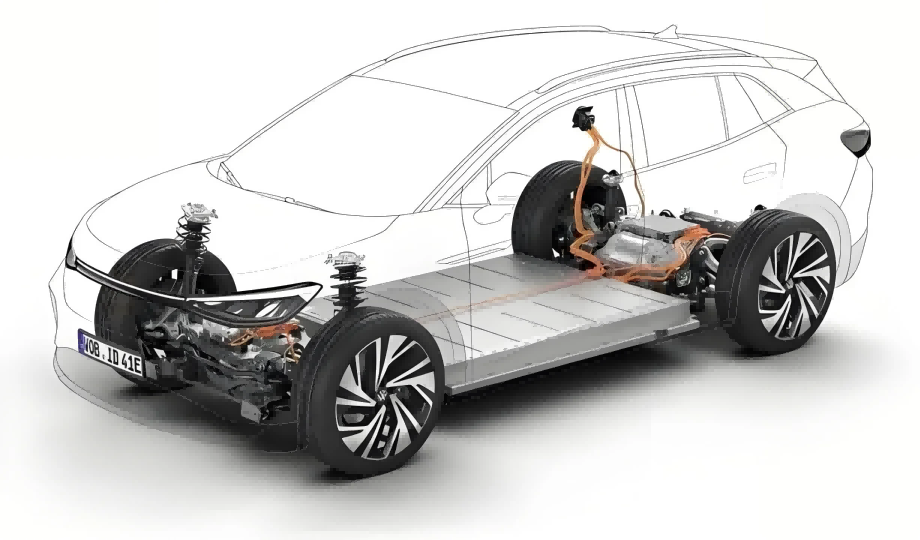
New energy silicon steel with a thickness of 0.25mm-0.27mm has the characteristics of balancing performance and cost, low iron loss and high magnetic induction, and is the current mainstream stator core for electric vehicle drive motors.
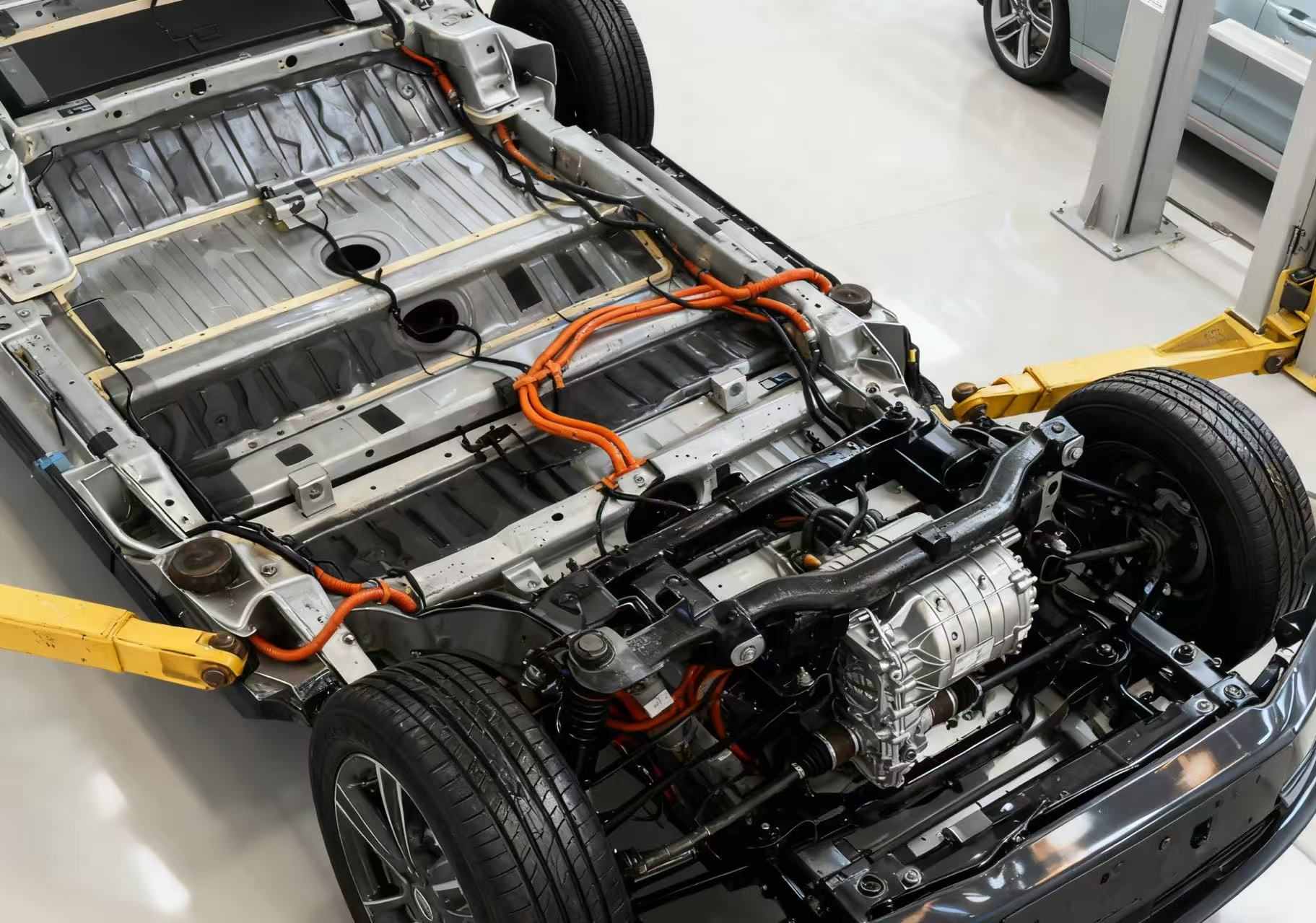
New energy silicon steel with a thickness of 0.20mm or less features extremely low iron loss, optimal high-frequency performance, and suitability for ultra-high speeds. It is generally used in high-performance motors with speeds ≥15000rpm.
The thinness of silicon steel is primarily to address the challenges posed by the increasing frequency of drive motors. Higher motor speeds result in higher frequencies of internal magnetic field changes, leading to significant eddy current losses in the silicon steel sheets. Using thinner silicon steel sheets (such as 0.25mm or 0.20mm) effectively suppresses eddy currents and reduces iron losses, thereby improving motor efficiency. This is crucial for extending vehicle driving range.

Address : Room 201, West Building A, Dawei Logistics, Xihai Industrial Zone, Lecong Town, Shunde District, Foshan City
You may unsubscribe at any moment. For that purpose, please find our contact info in the legal notice.


 IPv6 network supported
We will contact you as soon as possible
Hi! Click one of our members below to chat on