内页banner
Search
Home

Search

  • Application scenarios of silicon steel for new energy vehicles Application scenarios of silicon steel for new energy vehicles
    Jan 21, 2026
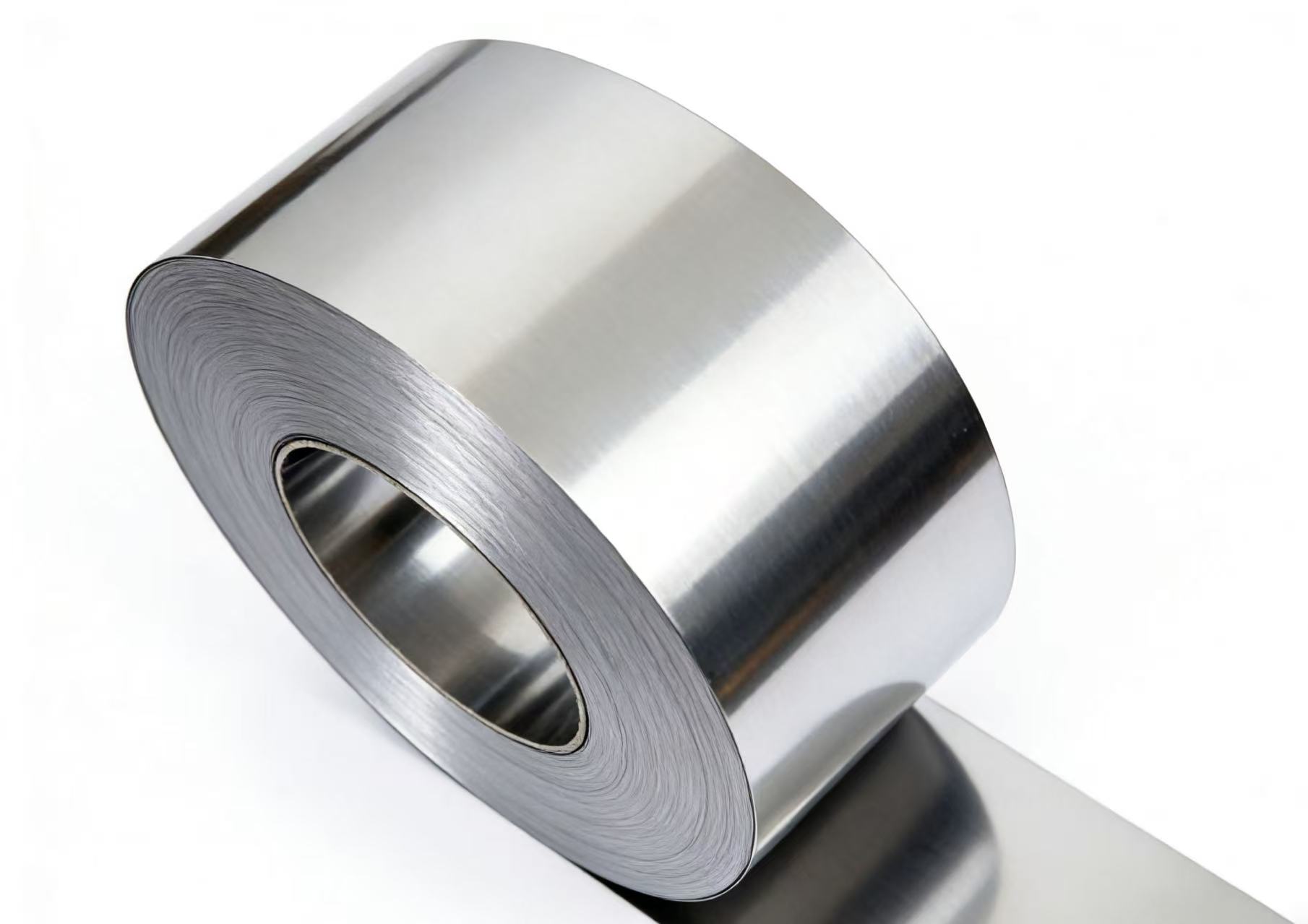
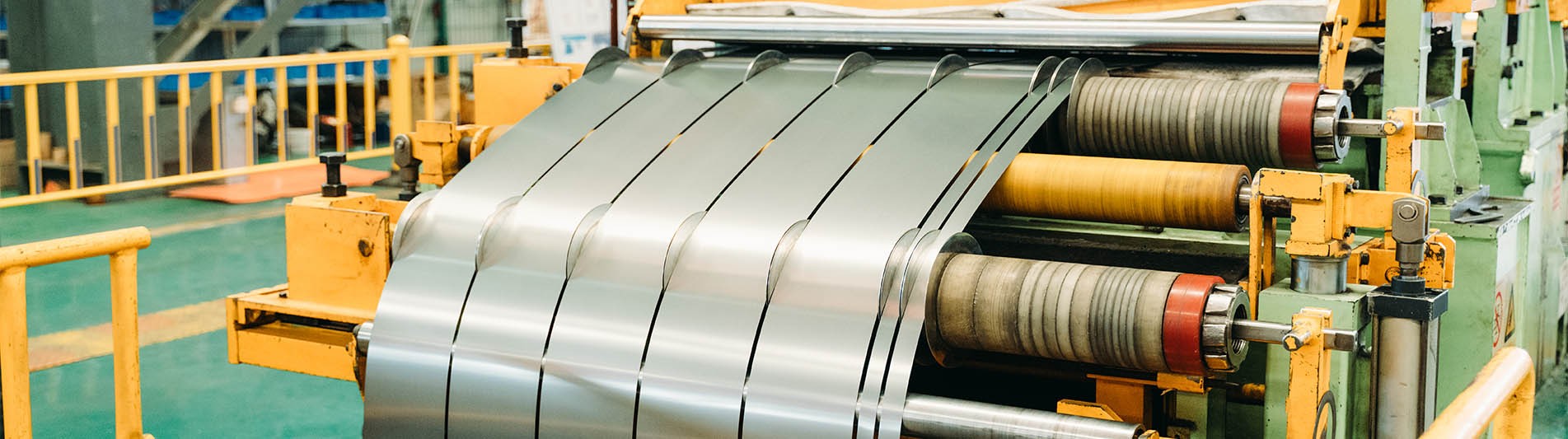
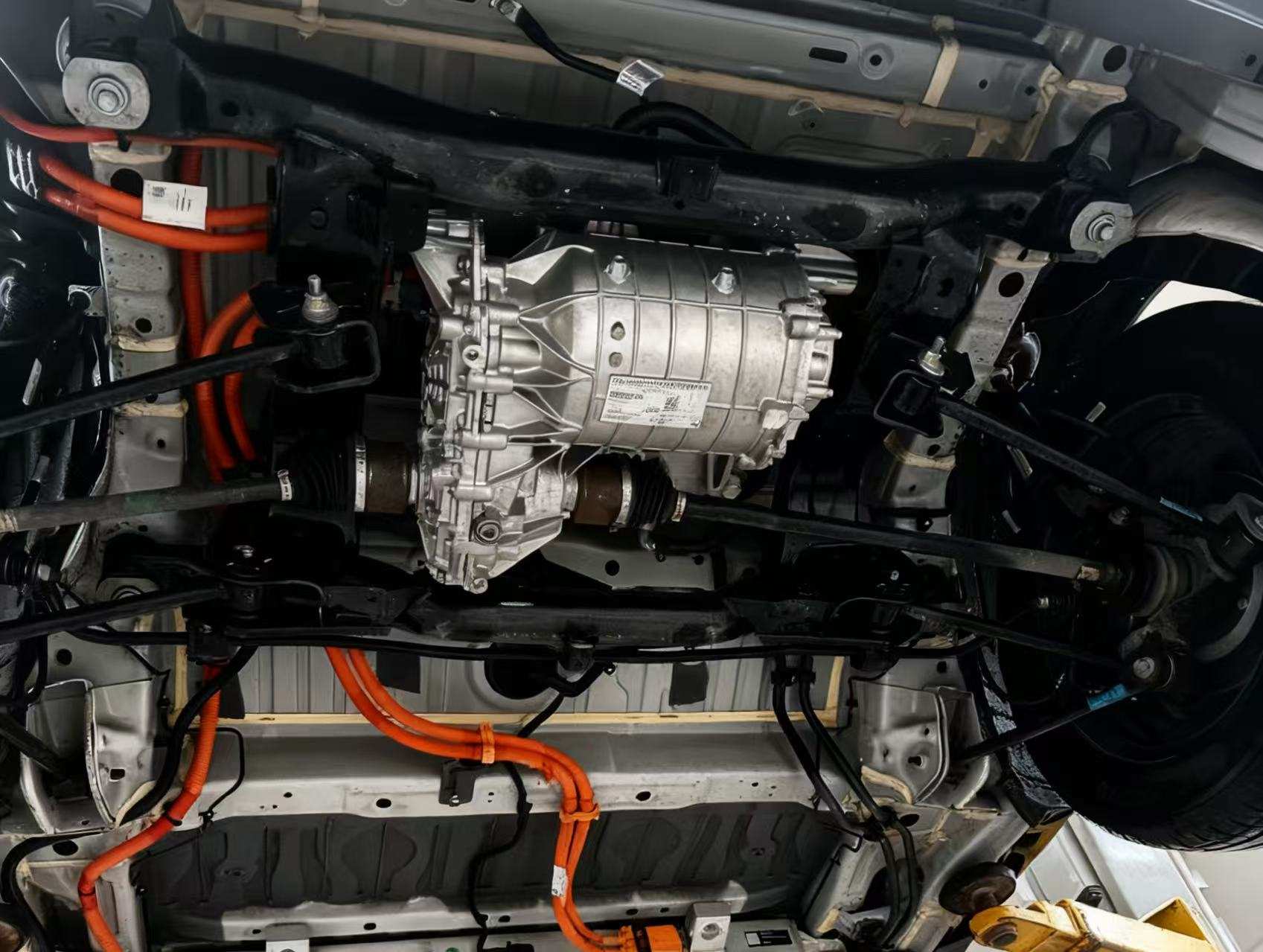
    Non-oriented silicon steel with a thickness between 0.2 mm and 0.35 mm is a key material for core components of new energy vehicles, such as drive motors and on-board chargers, and directly affects the vehicle's power, economy, and reliability.   Why is silicon steel so crucial? New energy vehicle drive motors strive for miniaturization, high efficiency, and high power density. This places extremely high demands on their "heart" material—silicon steel. High frequency and low loss: When the motor rotates at high speed (up to tens of thousands of revolutions per minute), the internal magnetic field changes at a very high frequency (400-1500Hz). The thinner the silicon steel sheet, the lower the eddy current loss, the higher the motor efficiency, and the more guaranteed the driving range. Studies have shown that compared to 0.35mm silicon steel, motors using 0.30mm silicon steel can increase the high-efficiency area by more than 20%.   High magnetic flux density: High magnetic flux density means that the motor can generate a stronger magnetic field under the same current, thereby obtaining greater torque and power density, which helps to achieve motor weight reduction.   Application scenarios: New energy silicon steel with a thickness of 0.30mm-0.35mm has good cost-effectiveness, meets basic performance requirements, and is generally used in the auxiliary motors of some A0-class electric vehicles and hybrid vehicles. New energy silicon steel with a thickness of 0.25mm-0.27mm has the characteristics of balancing performance and cost, low iron loss and high magnetic induction, and is the current mainstream stator core for electric vehicle drive motors.   New energy silicon steel with a thickness of 0.20mm or less features extremely low iron loss, optimal high-frequency performance, and suitability for ultra-high speeds. It is generally used in high-performance motors with speeds ≥15000rpm.   The thinness of silicon steel is primarily to address the challenges posed by the increasing frequency of drive motors. Higher motor speeds result in higher frequencies of internal magnetic field changes, leading to significant eddy current losses in the silicon steel sheets. Using thinner silicon steel sheets (such as 0.25mm or 0.20mm) effectively suppresses eddy currents and reduces iron losses, thereby improving motor efficiency. This is crucial for extending vehicle driving range.    
    Read More

  • In which fields is ultra-thin silicon steel (0.1-0.2mm) used In which fields is ultra-thin silicon steel (0.1-0.2mm) used

    Dec 05, 2025
    Silicon steel is extremely important, it is not only a cornerstone material for the modern power and electronics industries, but is also hailed as an "artwork" and a "jewel in the crown" among steel products.With technological advancements and the demands of industrial development, silicon steel has gradually moved towards ultra-thin designs. Ultra-thin silicon steel with a thickness between 0.1 mm and 0.2 mm is an indispensable core material for many cutting-edge high-end equipment. Its value mainly stems from a key physical property: the eddy current loss of silicon steel sheets is proportional to the square of their thickness. This means that when the thickness is reduced from the conventional 0.35 mm or 0.5 mm to 0.1 mm, the eddy current loss can be significantly reduced to 1/25 or even lower, thereby greatly improves the energy conversion efficiency and high-frequency performance of motors made from CRNGO materials.Application fields: 1. New energy vehicle drive motors: The high efficiency of ultra-thin silicon steel enables new energy vehicle motors to extend their driving range, and its high power density can further reduce the size of the motor. Extremely low iron losses also result in higher energy efficiency, supporting ultra-high motor speeds (such as 31,000 rpm), thereby increasing power density. 2. Humanoid robot joint motors: Humanoid robot joint motors require miniaturization, lightweight, high precision, and fast response. The ultrathin thickness of ultra-thin silicon steel meets the stringent requirements of micro joint motors such as hollow cups and frameless torque motors in tiny spaces; moreover, its high magnetic induction ensures strong and precise power output. 3. Drones/eVTOL: This type of motor needs to operate at extremely high speeds (medium-high frequencies, such as 400-1000Hz) and requires extremely light weight. The excellent iron loss characteristics of ultra-thin silicon steel at medium-high frequencies ensure that the motor maintains low loss and high efficiency at high speeds, directly improving the aircraft's endurance and maneuverability; The level of research and development and industrialization of ultra-thin silicon steel is becoming an important indicator of a country's competitiveness in high-end manufacturing and emerging industries. Today, Shunge Steel can provide manufacturers in high-end manufacturing and emerging industries with solutions for ultra-thin silicon steel materials, and can also provide ultra-thin silicon steel in various thicknesses. Welcome to inquire and learn more.
    Read More

Need Help? leave a message

leave a message

We will contact you as soon as possible

Submit

home

products

whatsApp

contact

Need Help? Chat with us

Start a Conversation

Hi! Click one of our members below to chat on